American Retailers Harnessing Cross-Platform Data Sync for Recurring Charge Optimization
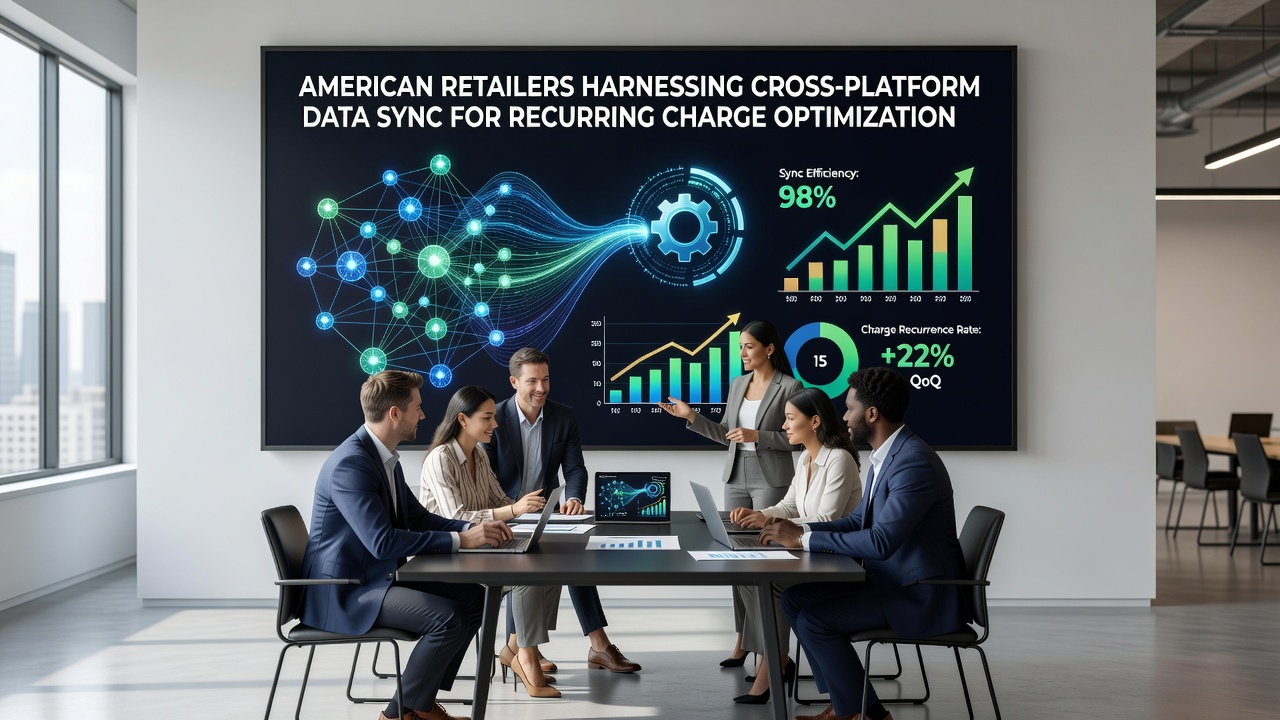
American retailers continue integrating cross-platform data synchronization tools that align customer records, billing histories, and inventory levels across separate software environments, which supports more precise management of recurring charges for subscription services and membership programs. This approach connects point-of-sale systems with customer relationship platforms and financial ledgers so that updates made in one location appear instantly in others without manual transfers.
Data Synchronization Mechanisms in Retail Operations
Retail chains deploy application programming interfaces that pull transaction details from online storefronts into centralized databases while pushing updates back to mobile apps and in-store terminals at the same time. Observers note that such connections reduce discrepancies in customer payment schedules, since a change in address or card expiration recorded on one channel updates automatically across all others. Data shows many mid-sized retailers handling thousands of recurring accounts each month now rely on these real-time feeds rather than batch processing at the end of each day.
Studies from industry analysts indicate that synchronization layers also incorporate inventory signals so that recurring orders pause automatically when stock levels drop below set thresholds. This linkage prevents overcharges for unavailable items and maintains accurate revenue projections for accounting teams. Retailers in sectors such as apparel and consumer electronics have adopted these methods at higher rates than average, according to figures released by the U.S. Census Bureau in early 2025.
Optimization Techniques for Recurring Billing Cycles
Cross-platform alignment allows retailers to adjust charge dates based on combined data from purchase frequency and external calendar events. For instance, systems can shift billing for a monthly subscription to align with a customer's typical payday when payroll information feeds into the same database. This timing adjustment stems from analysis of aggregated transaction patterns rather than individual preferences alone.
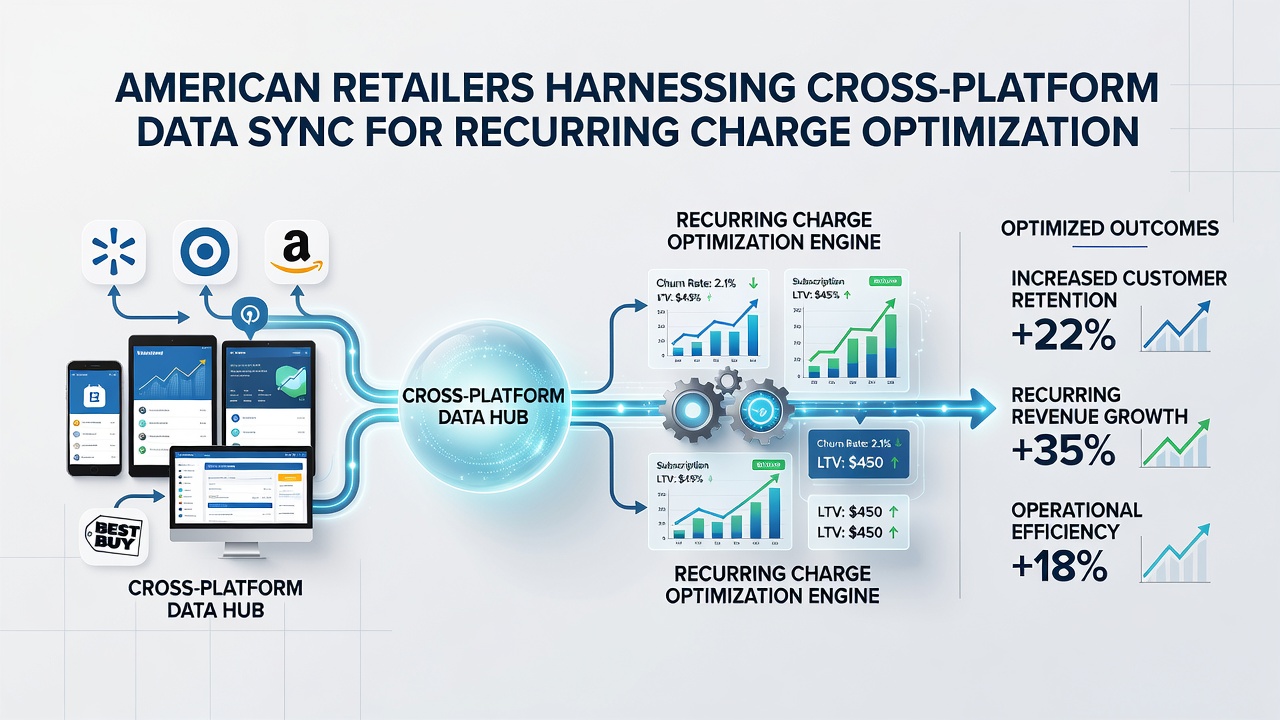
Retail operators further refine charge amounts by merging loyalty program data with external market indicators, which produces dynamic pricing that reflects both customer tenure and current supply costs. Research indicates that such adjustments occur most frequently in grocery and household goods categories where price fluctuations affect repeat purchase volumes. Those who manage these systems report fewer failed transactions because the platforms flag potential issues like insufficient funds before the scheduled deduction date.
Implementation Examples Across Retail Segments
One national pharmacy chain synchronized its prescription refill reminders with its rewards platform in 2024, resulting in automated monthly charges that accounted for insurance adjustments pulled from partner networks. Similar setups appear in fitness equipment retailers that link equipment financing agreements with usage tracking apps, allowing charges to scale with actual rental periods rather than fixed calendars. Observers point out that these integrations often begin with pilot programs in specific regions before expanding nationally.
Academic reports from university business schools have examined how smaller independent retailers achieve similar results through third-party middleware that bridges legacy accounting software with newer cloud services. The process typically involves mapping data fields once, after which automated rules handle ongoing synchronization without daily oversight. Figures reveal adoption among businesses with fewer than fifty locations increased notably between 2023 and 2025.
Regulatory and Technical Considerations in 2026
By July 2026, updated guidelines from the Federal Trade Commission emphasize transparent data handling practices for any system that moves financial information across platforms, which affects how retailers configure their synchronization rules. Compliance teams now review audit logs generated automatically by these tools to confirm that customer consent records remain current across every connected channel. Industry organizations such as the National Retail Federation have published frameworks that outline minimum security standards for these data flows.
Technical teams address latency issues by selecting synchronization frequencies that match transaction volume, with high-volume operations favoring near-instant updates while lower-volume sites use hourly intervals. This choice influences both system costs and the speed at which billing corrections propagate through the network.
Conclusion
American retailers continue expanding their use of cross-platform data synchronization to support recurring charge processes that reflect real-time conditions across sales, inventory, and customer records. The methods rely on established interface standards and regulatory compliance steps that keep information consistent without requiring constant manual intervention. Data from government and academic sources shows steady growth in these practices through mid-2026, driven by the need for accurate billing cycles in competitive retail environments.