Bridging Traditional Banking Networks With Modern Retail Platforms to Handle Recurring US Customer Charges Through Layered Verification and Data Protection Standards
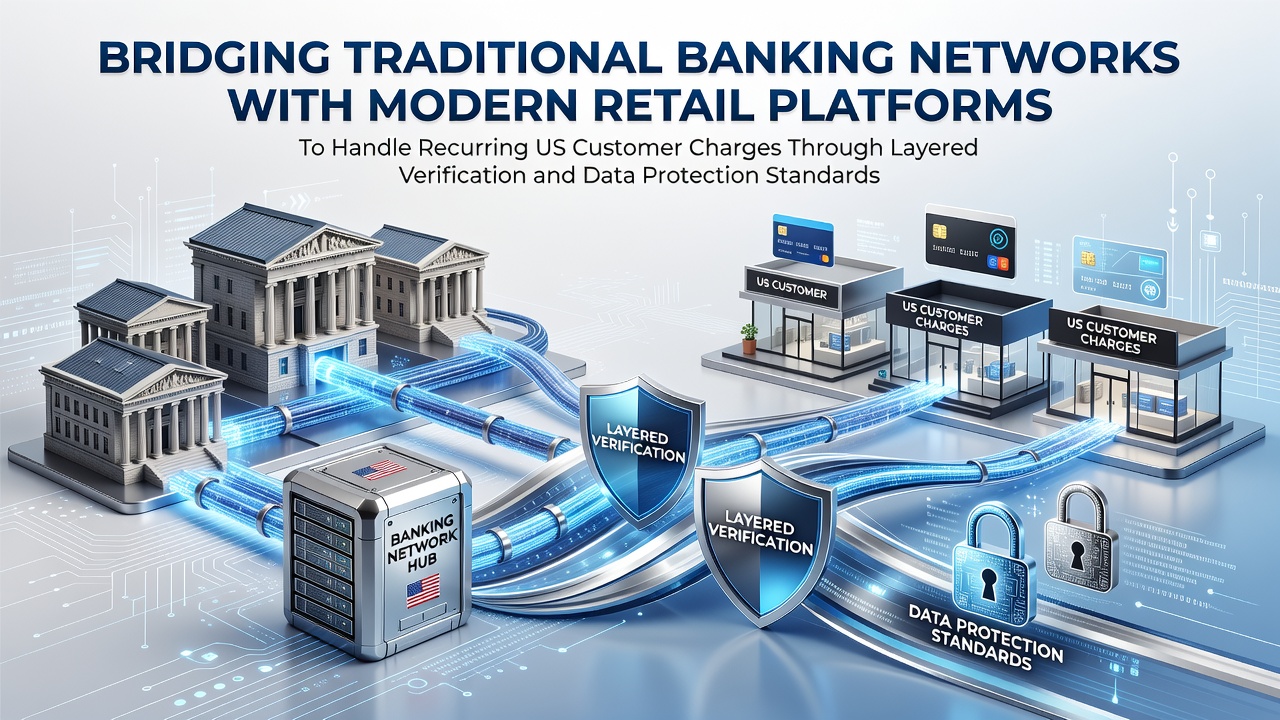
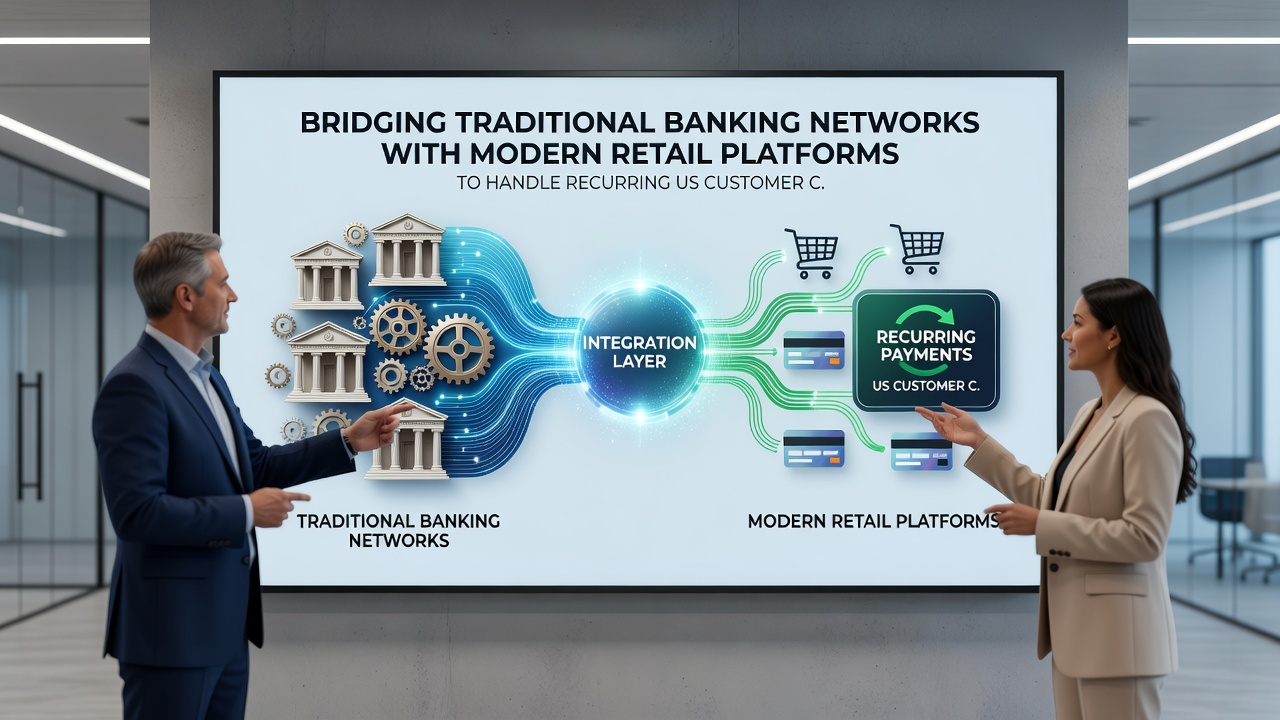
Retail platforms across the United States continue to integrate established banking networks with digital storefronts to manage recurring customer charges, and this process relies on layered verification protocols combined with strict data protection measures that align banking channels with automated billing cycles. Observers note that the connection between these systems supports consistent revenue collection while meeting regulatory expectations for consumer data handling in subscription-based services.
Core Components of Network Integration
Traditional banking infrastructure processes Automated Clearing House transactions and card-based payments through established rails, whereas modern retail platforms require seamless application programming interfaces to initiate those same deductions on a scheduled basis. Experts have observed that successful bridging occurs when platforms adopt verification sequences that include account validation, identity confirmation, and transaction authorization steps before any recurring charge activates. Data from industry reports indicate these layers reduce unauthorized activity by confirming customer details at multiple points during onboarding and subsequent billing events.
Retail operators often incorporate behavioral analytics alongside standard account checks, which allows systems to flag unusual patterns in real time and trigger additional review before a charge posts. This approach connects directly to banking network requirements that demand clear audit trails for every automated deduction processed through US financial institutions.
Layered Verification in Practice
Verification begins with basic account ownership confirmation through micro-deposits or instant bank feeds, then advances to multi-factor authentication that may include device recognition and one-time passcodes sent to registered contact methods. Researchers have documented how platforms add biometric options such as fingerprint or facial recognition in mobile applications to strengthen identity assurance without adding friction for repeat customers. These steps operate in sequence so that each layer builds on the previous one, creating a cumulative security profile tied to the recurring billing agreement.
Additional controls emerge when systems monitor usage patterns over time and compare them against historical data for the same account, which enables early detection of potential discrepancies. According to Federal Reserve analyses on payment system security, such progressive verification supports compliance with consumer protection rules while maintaining efficient processing speeds for high-volume subscription models.
Data Protection Standards Governing the Connection
Protection of customer information follows frameworks such as the Payment Card Industry Data Security Standard for card data and broader cybersecurity guidelines from the National Institute of Standards and Technology for overall system architecture. Retail platforms that bridge to banking networks must encrypt data both in transit and at rest, while also maintaining access controls that limit exposure of sensitive details to only necessary personnel and automated processes. Observers note that compliance with these standards becomes especially relevant when recurring charges involve stored payment credentials that platforms reuse across multiple billing cycles.
Tokenization replaces actual account numbers with unique identifiers that retail systems store instead, which limits the value of any intercepted data if a breach occurs. Studies from academic sources on financial technology integration show that platforms using tokenized flows alongside layered verification experience fewer incidents involving unauthorized access to recurring payment profiles. As of July 2026, updates to these standards continue to emphasize real-time monitoring capabilities that align banking and retail systems more closely.
Operational Examples Across US Retail Sectors
Subscription services in software, media streaming, and utility billing demonstrate how the bridging process works at scale, with platforms routing verification requests through banking partners before authorizing the next scheduled deduction. One documented case involved a digital media provider that synchronized its checkout flow with bank verification APIs, resulting in reduced chargeback rates after implementing sequential identity checks at signup and renewal points. Similar patterns appear in utility companies that connect customer accounts to recurring ACH withdrawals while maintaining data segmentation practices required by state-level privacy regulations.
These implementations rely on coordinated testing between banking institutions and retail technology teams to ensure verification layers do not introduce unacceptable delays in the billing timeline. Data shows that platforms maintaining such coordination report higher retention rates among customers who experience fewer interruptions during payment updates.
Conclusion
The ongoing alignment of banking networks with retail platforms for recurring US customer charges depends on structured verification layers and adherence to established data protection standards that together create secure, auditable transaction pathways. Retail operators who implement these measures position their systems to handle automated billing cycles while satisfying both institutional requirements and consumer expectations for privacy. Continued evolution in these connections reflects broader shifts in how financial and digital retail ecosystems interact to support consistent revenue operations nationwide.