Compliance Mechanisms Guiding the Connection of Electronic Payment Channels to Retail Platforms for Automated Customer Charges
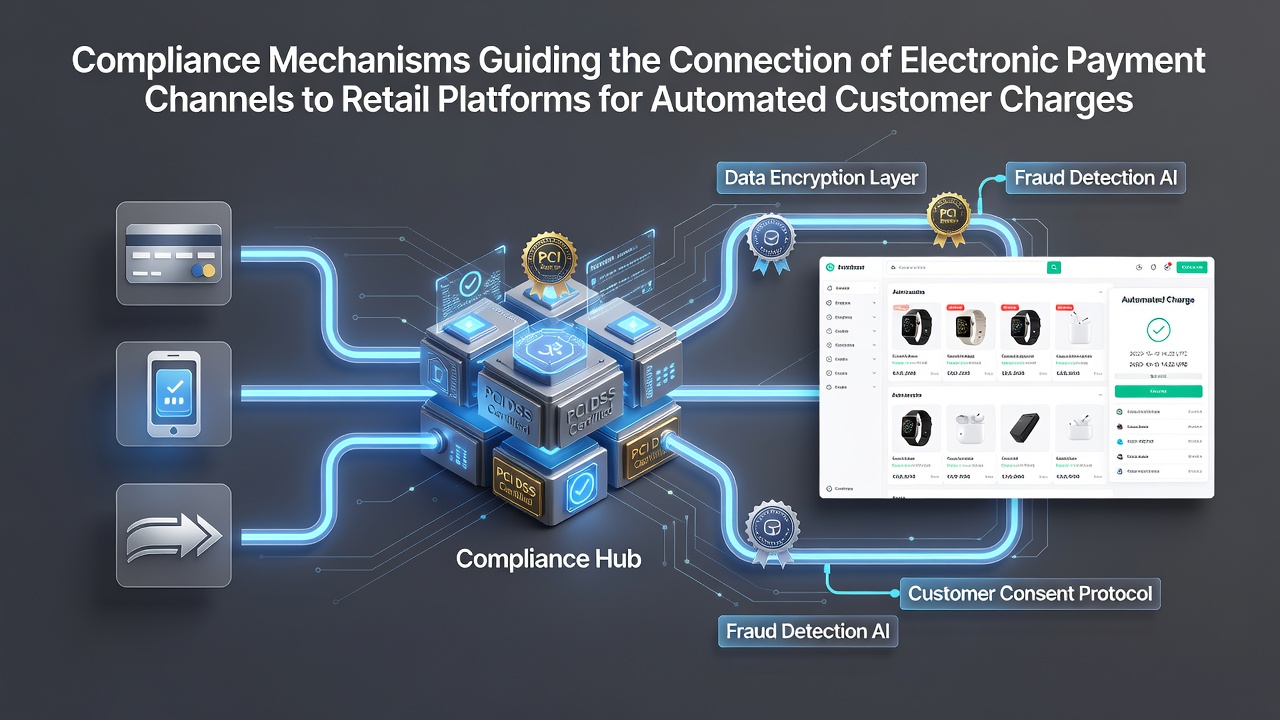 Retail platforms handling automated customer charges must align electronic payment channels with layered compliance requirements that span data security, transaction authorization, and ongoing reporting obligations. These mechanisms operate through standardized protocols that govern how payment processors interface with merchant systems while maintaining audit trails for every recurring deduction. Payment channel integration begins with adherence to network-specific rules that dictate data formatting, transmission security, and authorization flows. Operators connect ACH networks or card processors through APIs that embed validation checks at each endpoint, ensuring that customer consent records remain synchronized with transaction logs. Research from the PCI Security Standards Council shows that platforms maintaining real-time encryption during these handshakes reduce exposure points across automated billing cycles.
Core Security Protocols in Channel Connections
Encryption standards form the foundation for linking payment rails to retail checkout systems. Data in transit uses TLS 1.3 protocols while stored elements rely on tokenization or point-to-point encryption to isolate sensitive account details from platform databases. Observers note that these measures align with both domestic network mandates and cross-border requirements that affect multinational retail operations.
Access controls limit which systems can initiate automated charges, requiring multi-factor authentication for administrative interfaces and role-based permissions that restrict charge modification rights. June 2026 updates to certain industry guidelines reinforced the need for quarterly access reviews, particularly for platforms managing high volumes of recurring transactions across multiple payment types.
Authorization and Consent Management Layers
Automated charges depend on verifiable customer authorization that platforms must store and reference during each billing event. Systems record initial consent through digital signatures or recorded acknowledgments, then link these records to subsequent transactions via unique identifiers. This approach supports compliance with varying regional rules on recurring billing disclosures.
Retail operators implement periodic re-authorization prompts to refresh consent validity, especially when payment details change or subscription terms adjust. Data from the European Banking Authority indicates that platforms using automated consent renewal workflows maintain higher alignment with payment service directives while minimizing unauthorized charge disputes.
Monitoring, Reporting, and Audit Requirements
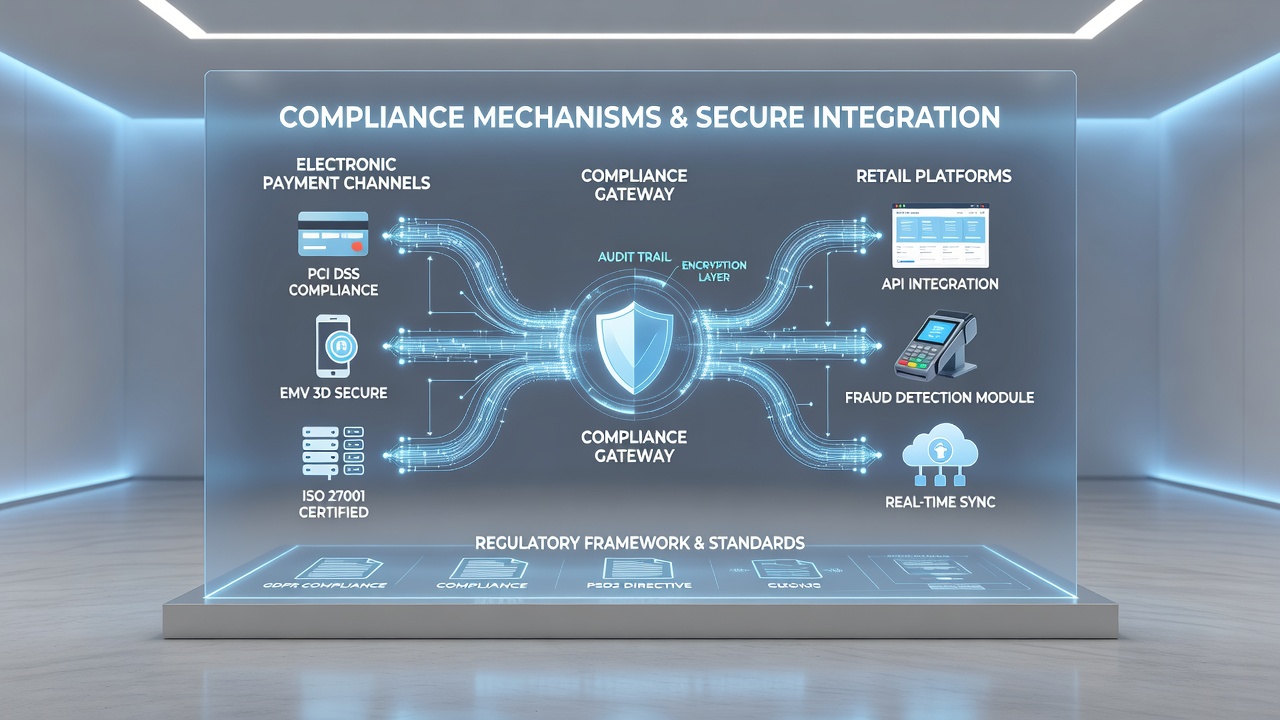
Continuous transaction monitoring detects anomalies that could signal compliance gaps or unauthorized activity. Platforms deploy rule-based alerts that flag unusual charge patterns, failed authorization attempts, or mismatches between stored consent and attempted deductions. These monitoring layers feed into regular reports submitted to acquiring banks and network operators.
Audit mechanisms require platforms to retain detailed records for defined retention periods, typically spanning several years depending on jurisdiction. External assessors review these records during periodic evaluations, examining whether payment channel connections continue to meet encryption, access control, and authorization standards. Figures from the Australian Payments Network reveal that integrated audit capabilities shorten remediation timelines when discrepancies surface during reviews.
Integration with Evolving Network Standards
Payment networks periodically revise technical specifications that affect how retail platforms establish and maintain connections. Updates may introduce new data fields for fraud indicators, revised timeout parameters for authorization requests, or enhanced reporting formats for automated transactions. Platform developers incorporate these changes through scheduled API revisions that preserve backward compatibility while adding required compliance elements.
Cross-network compatibility adds another dimension, as platforms often support both card-based and bank-transfer channels for customer charges. Each channel carries distinct compliance obligations, requiring separate validation routines that converge at the platform's transaction management layer. Those who've studied these integrations observe that unified dashboards simplify oversight across multiple payment types.
Conclusion
Compliance mechanisms for connecting electronic payment channels to retail platforms create structured pathways that support automated customer charges while satisfying security and reporting mandates. These frameworks evolve alongside network specifications and regulatory expectations, requiring ongoing attention to encryption, authorization records, and monitoring processes. Platforms that maintain synchronized compliance layers across their payment connections demonstrate consistent alignment with the operational standards that govern recurring billing environments.