Coordinating Secure Channels: A Look at Payment Integration for Subscription-Based Retail in the United States
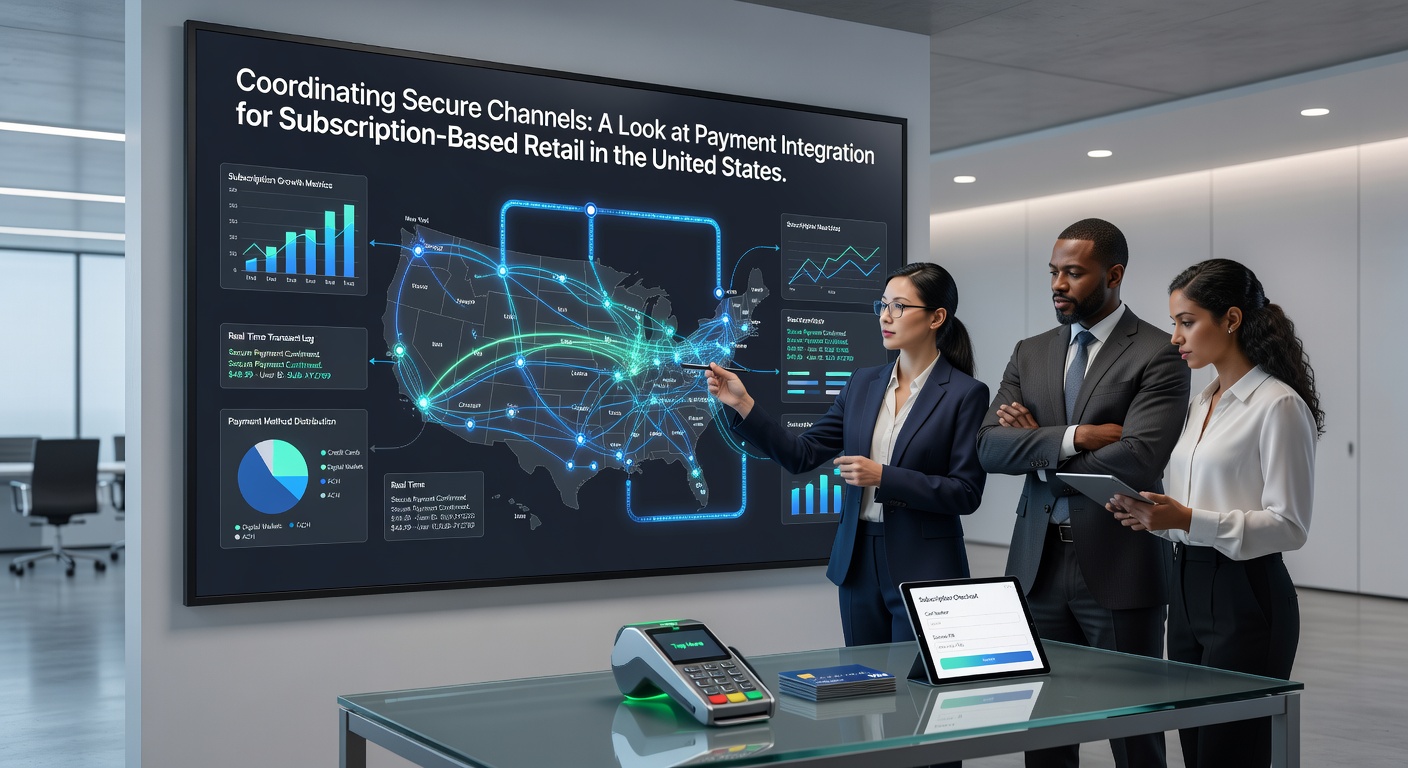 Subscription-based retail continues to expand across the United States as merchants integrate multiple payment rails into unified platforms that maintain security while supporting recurring transactions. Retailers coordinate credit card networks with ACH systems and emerging real-time payment options through layered verification protocols that align data flows from customer initiation to settlement. This coordination relies on standardized APIs that transmit encrypted payloads between gateways, processors, and banking institutions without exposing sensitive account details during each billing cycle.
Core Components of Secure Channel Coordination
Payment integration begins with merchant accounts configured to route transactions across distinct channels while enforcing uniform security standards. Data shows that subscription platforms often employ tokenization at the gateway level to replace card or bank account numbers with unique identifiers that persist across billing events. Researchers at academic institutions have documented how these tokens map to original credentials stored in isolated vaults, reducing exposure points during automated deductions.
Verification layers operate in sequence: address verification service checks precede CVV validation, followed by velocity monitoring that flags unusual patterns before funds move. Observers note that coordination extends to fraud scoring engines which pull signals from both card networks and ACH return databases to assign risk scores in milliseconds. Those who've studied these systems know that real-time feedback loops allow merchants to adjust authorization rules dynamically without disrupting customer experience.
Regulatory Framework Shaping Integration Practices
Federal guidelines establish baseline requirements for data protection and transaction monitoring in recurring billing environments. The Federal Reserve publishes periodic updates on payment system rules that influence how processors synchronize channels for subscription flows. Compliance teams map these directives to technical implementations, ensuring that each integrated rail meets NACHA operating rules alongside card network mandates.
State-level consumer protection statutes add further requirements around notice periods and dispute resolution for recurring charges. Integration specialists coordinate these overlapping obligations through centralized policy engines that apply the strictest applicable standard to every transaction regardless of payment type. Data from industry reports indicates steady growth in platforms adopting unified compliance dashboards to track adherence across channels.
Technical Synchronization Methods
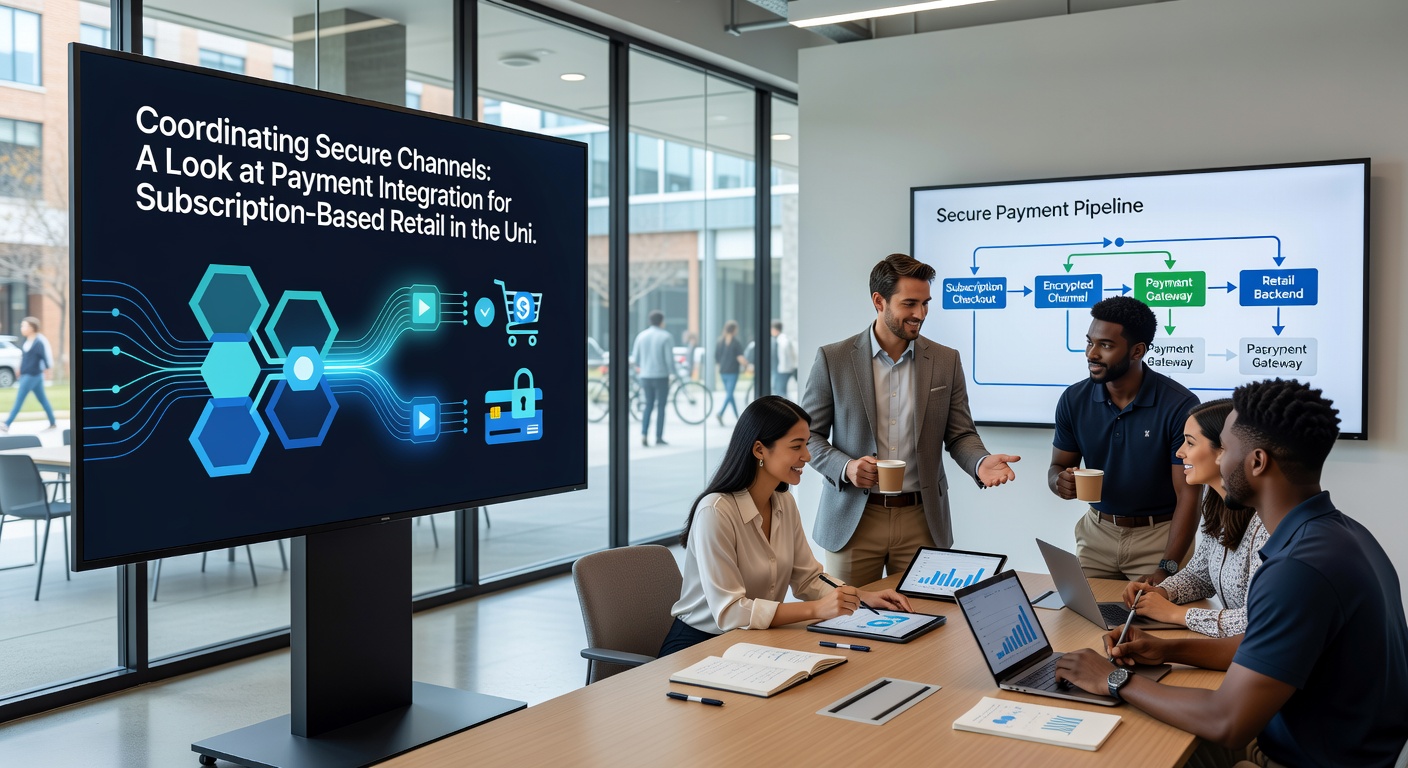
Modern integration relies on orchestration layers that sequence authorization requests across credit, debit, and bank transfer pathways. These layers use event-driven architectures to trigger secondary verification when primary channel responses indicate elevated risk. Experts have observed that webhook callbacks from multiple processors feed into a single decision engine, allowing merchants to approve, decline, or route to alternative rails automatically.
Encryption standards coordinate at both transit and rest stages, with TLS 1.3 protecting API calls and AES-256 securing stored tokens. Database segmentation ensures that credentials for different payment types reside in separate schemas, limiting the blast radius of any single breach. Those who've examined production systems report that key rotation schedules align across all integrated channels to maintain consistent security posture without manual intervention.
Current Developments Through Mid-2026
By June 2026, adoption of FedNow instant payment rails had accelerated among subscription retailers seeking same-day settlement options alongside traditional ACH schedules. Integration teams began mapping these faster rails into existing orchestration frameworks, adding new verification checkpoints to match the speed of transaction finality. Industry organizations tracking payment trends noted increased testing of hybrid flows that combine instant payments for initial sign-ups with scheduled ACH for subsequent renewals.
Academic studies released around this period examined latency impacts when multiple channels operate in parallel, revealing measurable improvements in approval rates for merchants who coordinated risk signals across rails. Platform updates focused on expanding support for open banking APIs that allow direct account verification without exposing full routing details during subscription setup.
Implementation Patterns Across Retail Segments
Software-as-a-service providers often lead in channel coordination due to higher transaction volumes and recurring revenue models. Their systems frequently incorporate machine learning models trained on historical chargeback data from both card and ACH sources to refine authorization thresholds over time. Retailers in physical goods subscription boxes follow similar patterns but place greater emphasis on inventory-linked triggers that pause billing when fulfillment issues arise.
Media streaming services coordinate payment channels with content access controls, revoking entitlements immediately upon failed recurring charges across any rail. This tight coupling requires low-latency connections between billing engines and authentication systems, achieved through dedicated message queues that synchronize status updates in near real time.
Conclusion
Payment integration for subscription-based retail in the United States continues to evolve through coordinated use of secure channels that balance speed, compliance, and risk management. Retailers who align verification protocols across credit, ACH, and emerging instant rails maintain operational resilience while meeting regulatory expectations. Ongoing developments in API standards and real-time settlement options provide additional tools for refining these integrations as transaction volumes grow.