Decoding Network Pathways That Enable Safe Repeated Financial Transfers Across American Digital Commerce Platforms
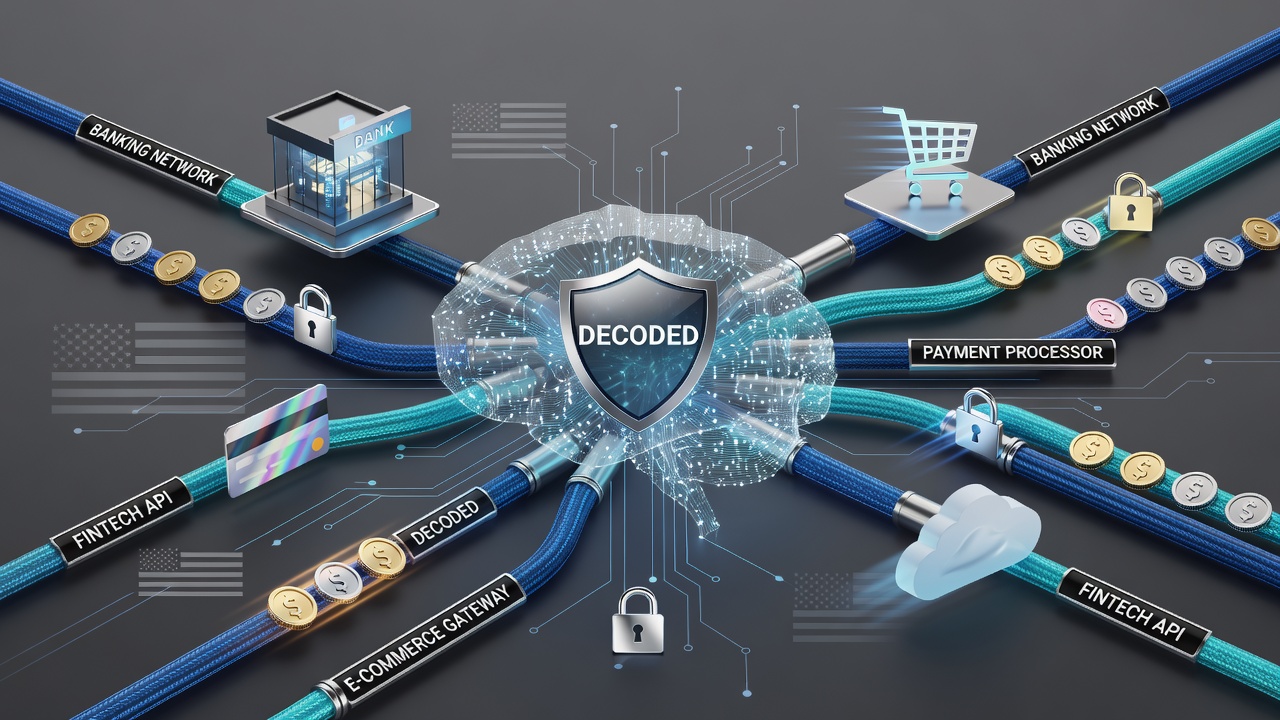
American digital commerce relies on intricate payment networks that route, authorize, and settle repeated transfers between consumers and platforms every day, and these systems combine automated clearing houses with real-time rails operated by entities like the Federal Reserve. Observers note that the pathways begin when a merchant platform initiates a request through an originating depository financial institution, which then forwards the instruction across secure channels maintained by NACHA for ACH transactions or through card association networks for credit and debit authorizations. Data from the Federal Reserve shows that these networks processed billions of recurring entries in recent years, with settlement occurring through centralized systems that reconcile debits and credits across participating banks while maintaining audit trails for compliance.
Core Infrastructure Components
The primary pathways involve the ACH network, which handles the majority of scheduled transfers through batch processing cycles that run multiple times daily, while the newer FedNow service introduced by the Federal Reserve enables instant settlement for certain repeated payments when participants opt in. Researchers have documented how platforms integrate with these rails via standardized APIs that transmit payment instructions containing routing numbers, account identifiers, and amount data, all encrypted during transit to prevent interception. Those who've studied transaction logs find that verification layers at each node check for sufficient funds and account validity before advancing the request, and settlement finality occurs when the receiving depository financial institution credits the merchant account, often within one to two business days for standard ACH entries.
Card networks such as those managed by Visa and Mastercard provide parallel pathways for repeated authorizations, where token references replace sensitive card details after initial setup, allowing platforms to submit subsequent charges through the same authorization flow without re-entering full account numbers. Figures reveal that these networks route requests to issuing banks for approval before returning authorization codes, after which clearing and settlement happen through interchange systems that allocate fees and transfer funds between acquirers and issuers. Experts have observed that the choice between ACH and card rails often depends on factors like transaction size and speed requirements, with ACH favored for lower-cost, higher-volume recurring deductions and card networks used when immediate authorization feedback supports platform operations.
Security Protocols Along the Pathways
Encryption standards including TLS 1.3 protect data in transit across all major pathways, and multi-factor authentication mechanisms at the platform and bank levels confirm originator identity before instructions proceed. Studies conducted by academic institutions such as those affiliated with MIT have examined how message authentication codes and digital signatures validate each transfer segment, reducing the risk of alteration during routing through intermediate switches. According to reports from the European Central Bank on cross-border payment infrastructures, similar layered verification exists in other regions yet American systems emphasize NACHA operating rules that mandate specific formatting and timing to maintain consistency across thousands of financial institutions.
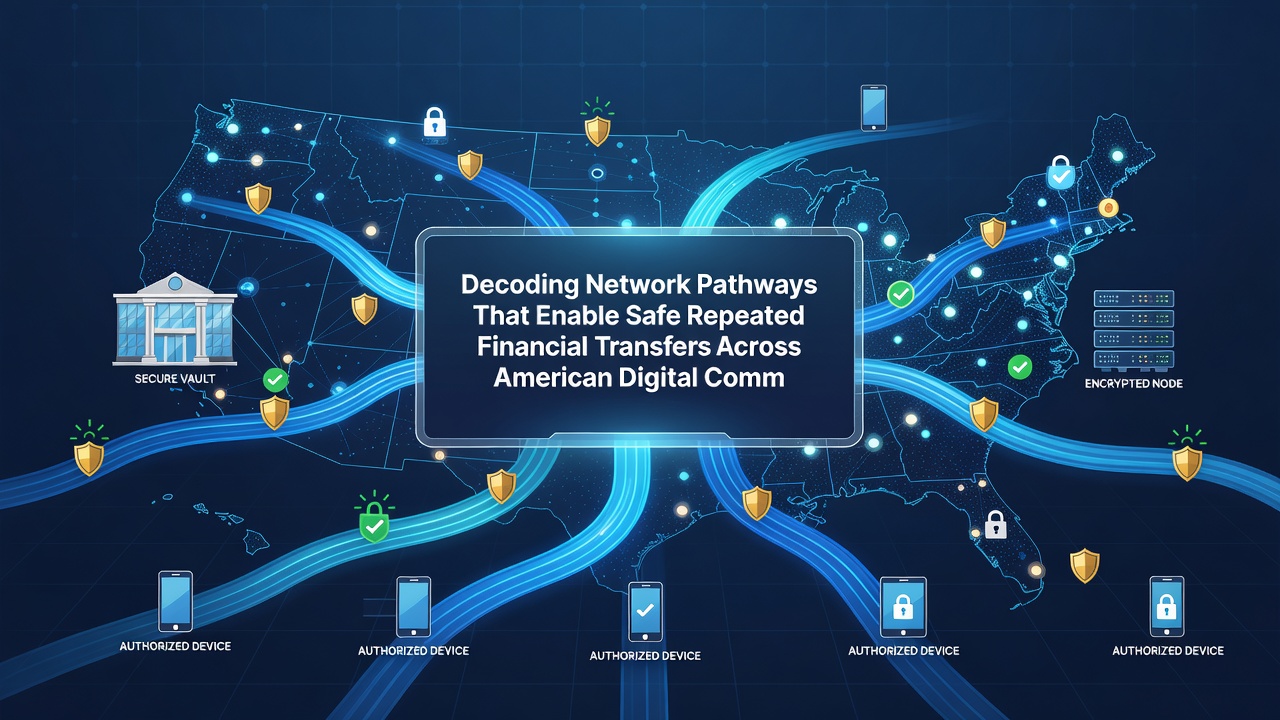
July 2026 marks the scheduled expansion of certain FedNow capabilities that will allow additional participants to handle higher volumes of repeated instant transfers, a development tracked by industry analysts as platforms prepare integration updates. The reality is that these network pathways incorporate continuous monitoring by operators who flag anomalous patterns for review, and data indicates that daily reconciliation processes between originating and receiving institutions catch discrepancies before final settlement posts. Observers note that backup routing options exist when primary channels experience delays, rerouting instructions through alternate switches without interrupting the overall transfer sequence.
Integration with Digital Platforms
Platforms connect to these pathways through certified processors that translate internal billing records into network-compatible formats, ensuring that repeated instructions carry consistent identifiers that banks recognize across multiple cycles. Research indicates that standardized file formats such as NACHA's CCD and PPD entries facilitate bulk submissions for subscription-style operations, while real-time APIs support on-demand repeated charges when platforms trigger them through customer-initiated events. Those who've analyzed settlement reports find that end-of-day netting reduces the total funds moved between institutions, lowering operational overhead while preserving individual transaction records for dispute resolution.
Regulatory oversight from bodies including the Consumer Financial Protection Bureau shapes how these pathways operate, requiring clear disclosure of transfer terms and error resolution procedures that banks must follow when handling consumer-initiated repeated deductions. A report from the Bank of Canada on retail payment systems highlights comparable requirements in neighboring markets, underscoring the emphasis on consumer protections that American networks also incorporate through mandatory return codes and time limits for corrections. Platforms therefore embed these rules into their connection logic so that each transfer request complies before it enters the network flow.
Future Developments and Adaptations
Network operators continue to refine message standards to accommodate new data fields that platforms require for detailed reconciliation, and pilot programs have tested enhanced tracking capabilities that attach unique identifiers to each repeated transfer segment. Evidence suggests that adoption of ISO 20022 messaging formats will accelerate across US pathways in coming years, improving interoperability with international systems while maintaining domestic security controls. Those monitoring industry metrics report steady growth in the number of institutions connected to instant payment rails, which in turn expands options for platforms seeking faster settlement of recurring volumes.
Conclusion
The pathways that support safe repeated financial transfers across American digital commerce combine established batch networks with emerging instant rails, all governed by standardized protocols and regulatory requirements that ensure consistent processing. Data shows these systems scale to handle increasing transaction volumes while incorporating verification and encryption at multiple points, and ongoing updates such as those planned for July 2026 will further expand capabilities. Observers note that the architecture remains adaptable as platforms and financial institutions align their systems to meet evolving operational needs.