Exploring the Mechanics of US Online Payment Processing Systems
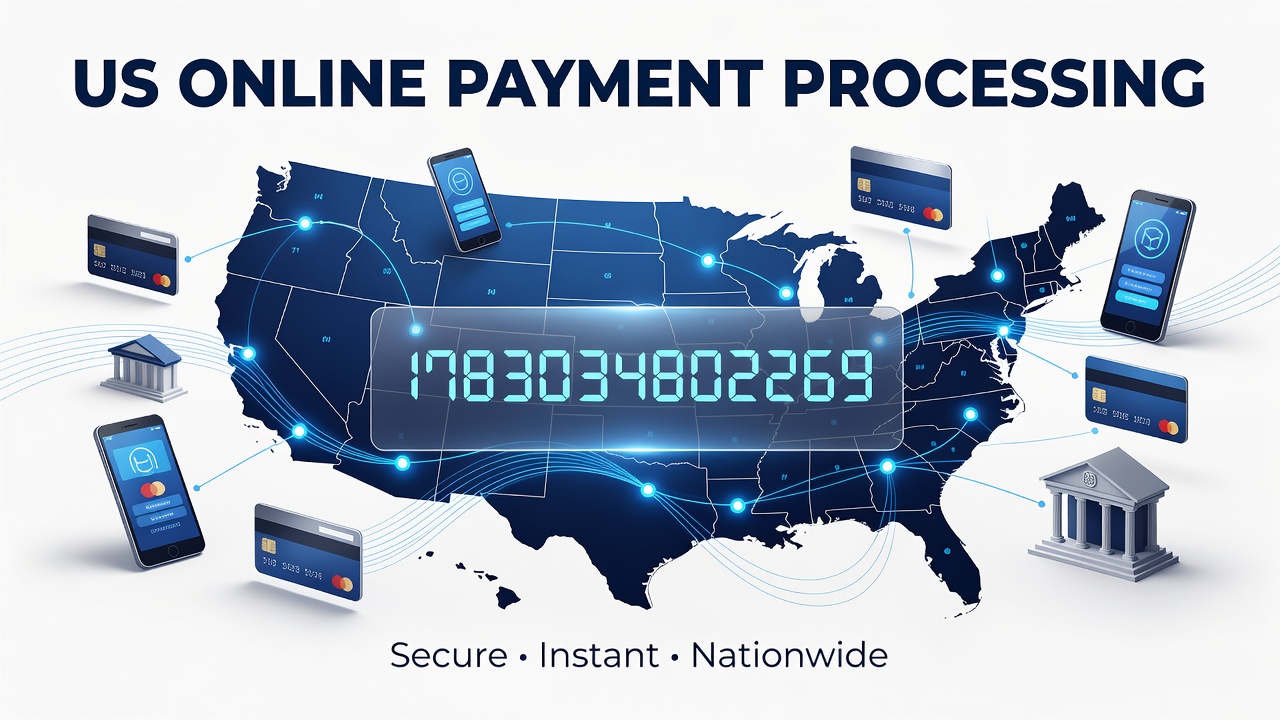
US online payment processing operates through interconnected networks that handle authorization, clearing, and settlement for digital transactions across e-commerce platforms and service providers, with major card networks such as Visa and Mastercard forming the backbone alongside emerging digital wallet options. Data from industry reports indicates that these systems processed trillions in transaction volume annually by mid-decade, driven by widespread adoption of internet-based retail channels and mobile applications.
Core Components of the Payment Ecosystem
Payment processors act as intermediaries between merchants and financial institutions, routing transaction requests through secure channels while managing settlement timelines that typically span one to three business days for most credit card activities. Acquirers and issuers coordinate to verify funds availability and complete fund transfers, whereas payment gateways provide the software interfaces that encrypt data during transmission from customer devices to backend servers. Observers note that integration often relies on standardized protocols like those outlined in the Payment Card Industry Data Security Standard, which sets baseline requirements for protecting cardholder information across all participating entities.
Regulatory Environment and Compliance Structures
Federal oversight comes primarily through agencies such as the Federal Reserve and the Consumer Financial Protection Bureau, which enforce rules on electronic fund transfers and consumer protections under laws including the Electronic Fund Transfer Act. State-level regulations add layers of licensing for money transmitters and specific disclosure mandates for service fees, creating a patchwork that companies must navigate when operating nationwide. As of July 2026, updates to certain reporting requirements around cross-border transactions reflect ongoing efforts to align domestic practices with international standards, according to analyses from regulatory bodies.
Technological Advancements and Integration Methods
Application programming interfaces enable seamless connections between merchant websites and processor platforms, allowing real-time authorization checks that reduce declined transactions and support features such as recurring billing setups without manual intervention. Digital wallets from providers like Apple and Google have gained traction by tokenizing card details at the device level, which shifts sensitive data storage away from individual retailers. Research indicates that adoption rates for these methods climbed steadily through 2025, supported by improvements in biometric authentication and near-field communication hardware embedded in consumer smartphones.
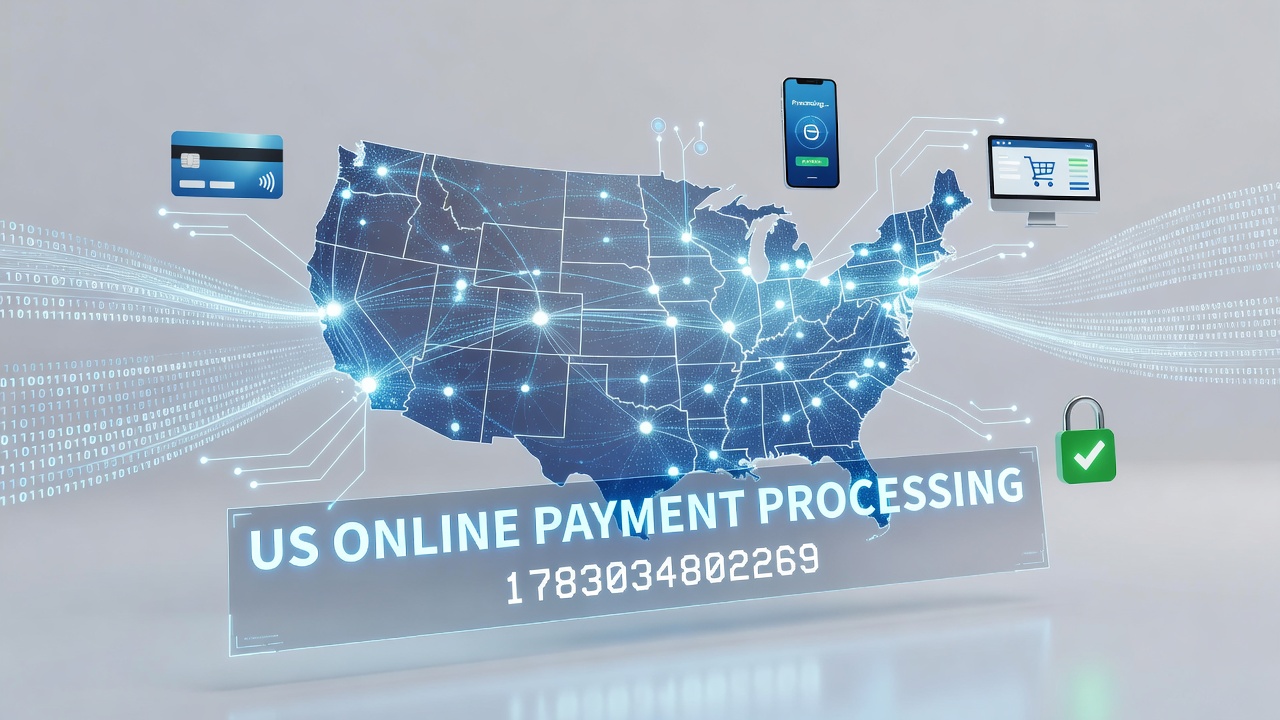
Cloud-based platforms have expanded processing capacity, enabling smaller businesses to access enterprise-grade tools through subscription models rather than custom hardware installations. Those who've studied these shifts point to reduced latency in transaction approvals as a direct outcome of distributed server architectures that handle peak loads during holiday shopping periods and promotional events.
Market Data and Participant Roles
Statistics compiled by the Federal Reserve show that card-not-present transactions accounted for a growing share of total payment volume, surpassing traditional point-of-sale figures in several retail categories by 2025. Processors compete on pricing structures that often combine per-transaction fees with monthly service charges, while value-added services such as analytics dashboards and fraud scoring modules differentiate offerings in a crowded field. External analyses from sources including the Bank for International Settlements highlight how US volumes compare against those in other regions, revealing patterns tied to consumer spending habits and infrastructure maturity levels.
Merchants select providers based on factors including approval rates, support for multiple currencies, and compatibility with inventory management systems already in use. Case examples from retail operations demonstrate how switching processors can alter cash flow timing when settlement schedules change, though transitions require careful mapping of existing customer data to avoid service interruptions.
Emerging Patterns and Industry Coordination
Collaboration between banks, technology firms, and standards organizations continues to shape protocol updates that address scalability demands from high-volume platforms. Industry groups track metrics around authorization success rates and average handling times, publishing periodic summaries that inform operational adjustments across the sector. Links to detailed datasets appear in reports from organizations such as the Federal Reserve and academic reviews hosted by institutions like the University of Chicago Booth School of Business, which examine transaction cost distributions and network efficiencies.
Conclusion
US online payment processing remains a dynamic field shaped by layered infrastructure, regulatory coordination, and ongoing technological refinements that support expanding digital commerce activities. Market participants adapt through standardized compliance measures and interface improvements that maintain transaction integrity across diverse merchant categories and consumer preferences.