Fraud Prevention Tactics in Automated Billing Systems for American Online Retailers Integrating Multiple Payment Types
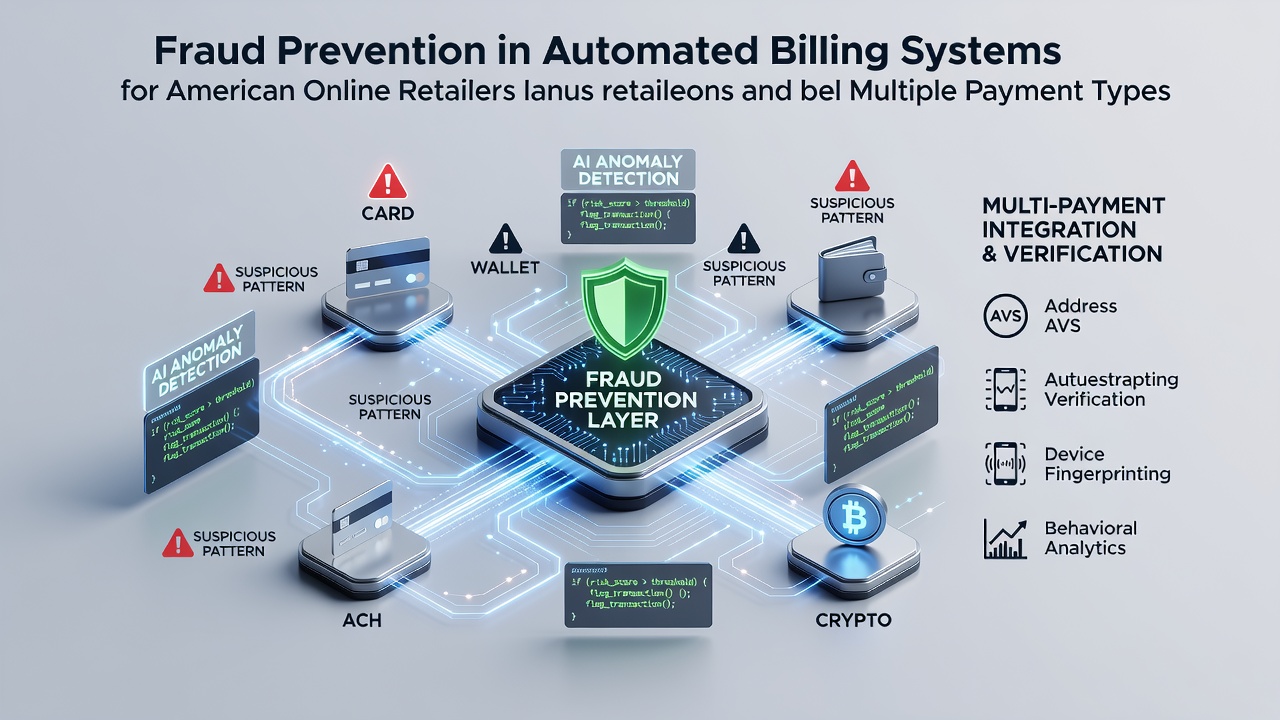 Retailers in the United States have expanded their use of automated billing systems that handle credit cards alongside ACH transfers and other methods, which has prompted tighter coordination between verification steps and transaction monitoring. Data from industry reports indicate that payment fraud attempts rose steadily through 2025, with projections showing continued pressure into August 2026 as systems scale to manage higher volumes of recurring charges. Observers note that successful prevention now depends on layering controls that apply consistently whether a customer pays by card or bank transfer.
Core Components of Multi-Payment Fraud Controls
Automated platforms connect several verification layers at the point of initial enrollment and again during each billing cycle. Address verification services cross-check billing details against card issuer records while separate routines validate bank routing numbers and account status for ACH entries. Velocity checks track the number of attempts from a single device or IP address within short windows, flagging patterns that exceed thresholds established by the retailer. Researchers at payment security firms have documented cases where merchants reduced chargeback rates by combining these checks rather than relying on any single tool.
Tokenization replaces sensitive card or account data with unique identifiers that limit exposure if a breach occurs, and the same process works across both card networks adn ACH processors. When a retailer integrates multiple payment types, the token service must map each identifier back to the correct rail without exposing original details during routine operations. Studies from academic sources show that merchants using unified token vaults report fewer incidents of account takeover compared with those maintaining separate storage systems for cards and bank accounts.
Behavioral Analytics and Real-Time Scoring
Machine learning models analyze historical transaction data to assign risk scores to new or recurring charges, adjusting weights based on payment method. A card transaction might trigger device fingerprinting and geolocation review, whereas an ACH debit could receive additional scrutiny on account age and prior return codes. Retailers that feed both data streams into a single scoring engine observe more consistent detection across payment types. Figures from the Federal Trade Commission indicate that identity theft complaints involving payment accounts reached 1.1 million in recent reporting periods, underscoring why scoring systems must adapt quickly.
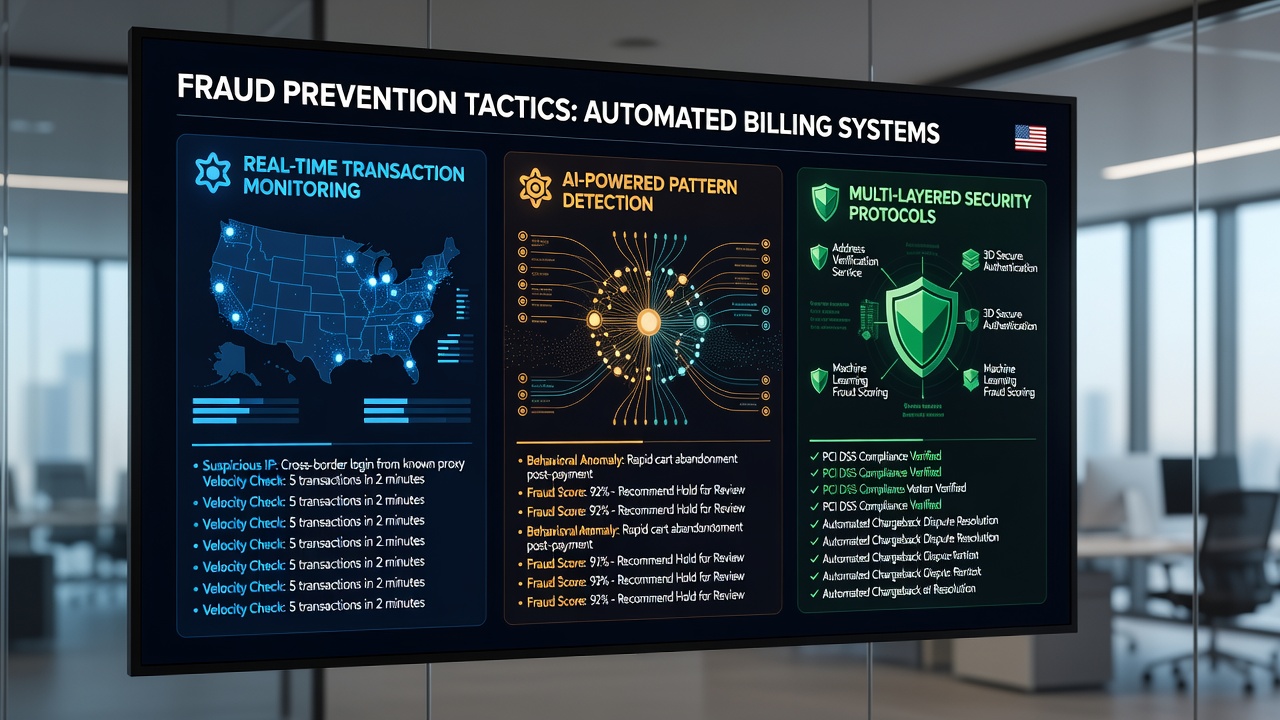
One retailer that processes both subscription renewals and one-time purchases implemented a shared analytics layer that reduced false declines by routing borderline ACH transactions through an extra confirmation step while allowing low-risk card payments to proceed. The approach relies on continuous model updates that incorporate new fraud patterns reported across the network, keeping detection rates aligned with evolving tactics observed through August 2026.
Regulatory Alignment and Data Handling Practices
United States merchants must follow data security standards set by card networks and banking regulators when handling multiple payment rails. Encryption requirements extend to stored tokens and to the metadata used in scoring models. Compliance audits examine whether access controls prevent unauthorized staff from viewing full account details during routine billing operations. A report issued by the Federal Reserve highlights that coordinated verification across payment channels helps retailers meet expectations outlined in existing guidance without creating separate workflows for each method.
Merchants also reference standards from international bodies such as the European Central Bank when designing cross-border fraud rules, even though domestic operations remain the primary focus. These frameworks encourage the use of dynamic authentication that can escalate from basic checks to step-up verification when risk scores rise, regardless of whether the underlying payment travels over card rails or the ACH network.
Implementation Patterns Observed in Practice
Retailers typically begin by mapping each payment type to a common risk taxonomy so that alerts generated for cards receive equivalent handling to those triggered by ACH returns. Integration teams then configure APIs that push scoring results back into the billing engine before funds move. In documented implementations, this sequencing has prevented duplicate charges from reaching customers whose accounts show signs of compromise. Observers note that clear logging of every verification step supports both internal reviews and external audits required under current rules.
Training datasets used to refine detection models now include labeled examples from both card and ACH fraud cases, allowing the system to recognize shared indicators such as rapid changes in shipping address followed by payment method switches. Retailers that maintain separate models for each rail report slower response times when new attack vectors appear.
Conclusion
American online retailers continue to refine automated billing systems by embedding consistent fraud prevention across credit, ACH, and emerging payment options. The combination of tokenization, real-time scoring, and unified verification layers has produced measurable reductions in losses according to available data. As transaction volumes grow through 2026, these coordinated tactics remain central to protecting revenue streams while supporting seamless customer experiences.