How Legacy POS Systems Interface with Modern ACH Networks to Cut Settlement Times in Brick-and-Mortar Retail Chains
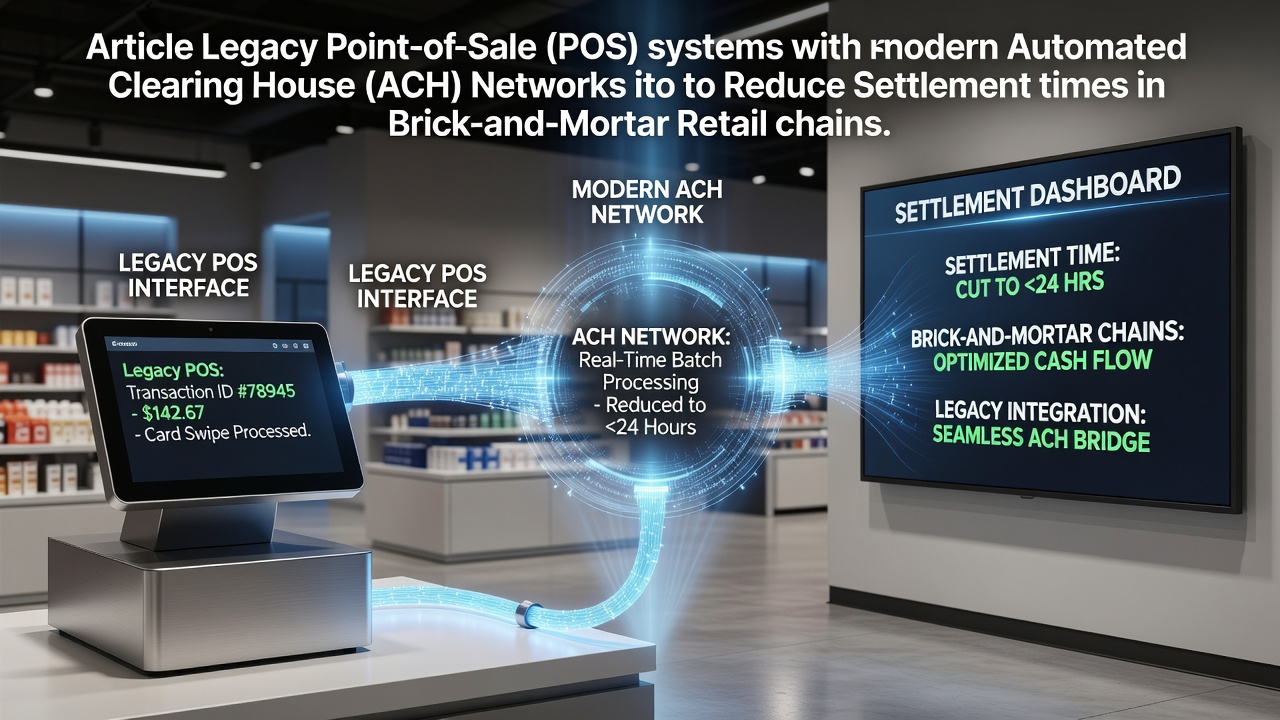
Brick-and-mortar retail chains continue to rely on legacy point-of-sale systems that were designed decades ago yet many operators now connect those platforms directly to contemporary ACH networks, and this integration shortens settlement cycles from multiple days down to same-day or next-day transfers in numerous cases.
Legacy POS setups typically generate batch files that contain transaction details such as amounts, account numbers, and routing information, while modern ACH infrastructure accepts those files through standardized NACHA formats and processes them via the Federal Reserve or private operators that support accelerated clearing windows.
Core Components of the Interface Process
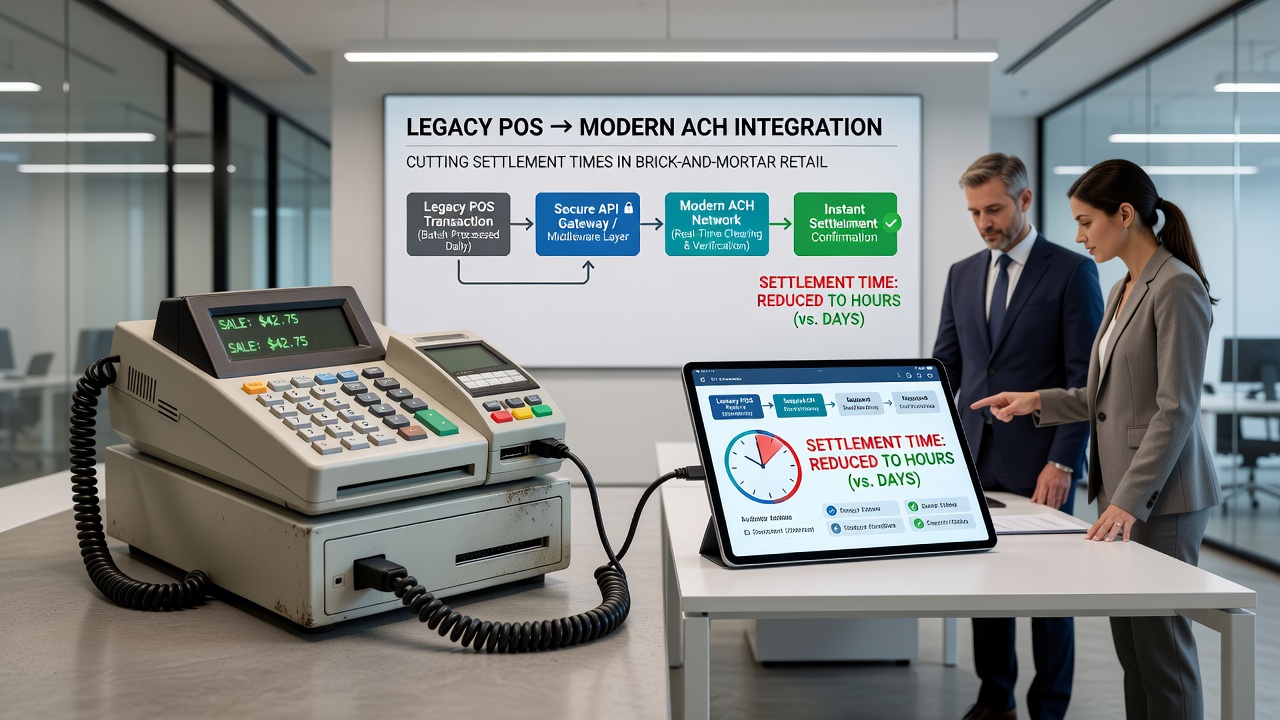
Retail operations feed sales data from older terminals into middleware solutions that translate proprietary POS output into ACH-compatible entries, and these middleware layers often sit between the store hardware and the bank connection so that no full system replacement becomes necessary. Operators route the converted files to originating depository financial institutions that participate in same-day ACH programs, which expanded access in recent years and now allow multiple settlement windows throughout the business day.
Data from payment processors shows that chains using this method reduce average settlement time by 24 to 48 hours compared with traditional batch card deposits alone, while the same infrastructure handles both credit card batches and direct bank transfers without separate hardware at the register level.
Technical Pathways and Data Flow
One common pathway involves secure file transfer protocols that push nightly or hourly batches from the legacy system to an ACH processor, and that processor validates entries against account databases before submitting them to the ACH operator for clearing. Another approach uses API bridges that convert real-time transaction streams into ACH requests, although legacy hardware often requires an additional translation server because older terminals lack native API capabilities.
Security protocols remain consistent across both methods because ACH transactions follow the same NACHA operating rules that govern authorization, authentication, and error resolution, and retail chains apply tokenization or encryption at the POS level before data leaves the store network.
Impact on Settlement Timelines in July 2026
As of July 2026, same-day ACH volume continued to rise among retail participants, with figures from industry reports indicating that participating chains achieved final settlement on the same business day for batches submitted before established cut-off times. This timeline contrasts with earlier periods when ACH settlements routinely required two business days, and the improvement stems from expanded operating hours plus increased participation by core banking institutions that support real-time verification layers.
Retailers that maintain legacy equipment benefit because the interface does not demand new registers, yet it still delivers faster access to funds that can be reinvested into inventory or payroll on a shorter cycle. Observers note that chains with high daily transaction volumes see the largest absolute time savings, while smaller locations gain predictability in cash flow even if the dollar amounts remain modest.
Integration Examples Across Retail Segments
Grocery chains have adopted middleware that pulls transaction logs from decade-old POS units and formats them for ACH credit to corporate accounts, and this method operates alongside existing card networks without disrupting checkout speed. Department store groups follow a similar pattern by routing end-of-day totals through processors that offer both card and ACH rails, which allows finance teams to choose the rail based on cost and speed requirements for each settlement batch.
According to Nacha operating statistics, retail ACH usage grew steadily through 2025 and into 2026 as legacy-to-modern connections became more standardized. A separate analysis from the Federal Reserve Bank of Atlanta documented reduced float periods for merchants that shifted portions of their settlement volume to accelerated ACH options.
Operational Considerations and Compliance Requirements
Retail chains must ensure that legacy POS software can export data in formats compatible with current ACH file specifications, and many rely on third-party vendors to maintain those export routines. Compliance teams review authorization records and return-item handling procedures because ACH rules require prompt notification of errors, and legacy systems sometimes need software patches to log those events in auditable formats.
Training for store staff remains minimal because the interface operates in the back office, yet accounting departments receive daily reports that reflect the shorter settlement windows and allow earlier reconciliation against bank statements.
Conclusion
Legacy POS systems in brick-and-mortar retail continue to deliver value when paired with modern ACH networks through middleware and file translation tools that accelerate settlement without hardware replacement. Chains gain shorter fund availability cycles, standardized compliance pathways, and the ability to blend ACH with card processing on the same infrastructure. Continued expansion of same-day windows supports further adoption as operators seek predictable cash flow across physical store networks.