How Niche US Retailers Align Verification Protocols with Inventory Systems to Streamline Recurring Credit Authorizations
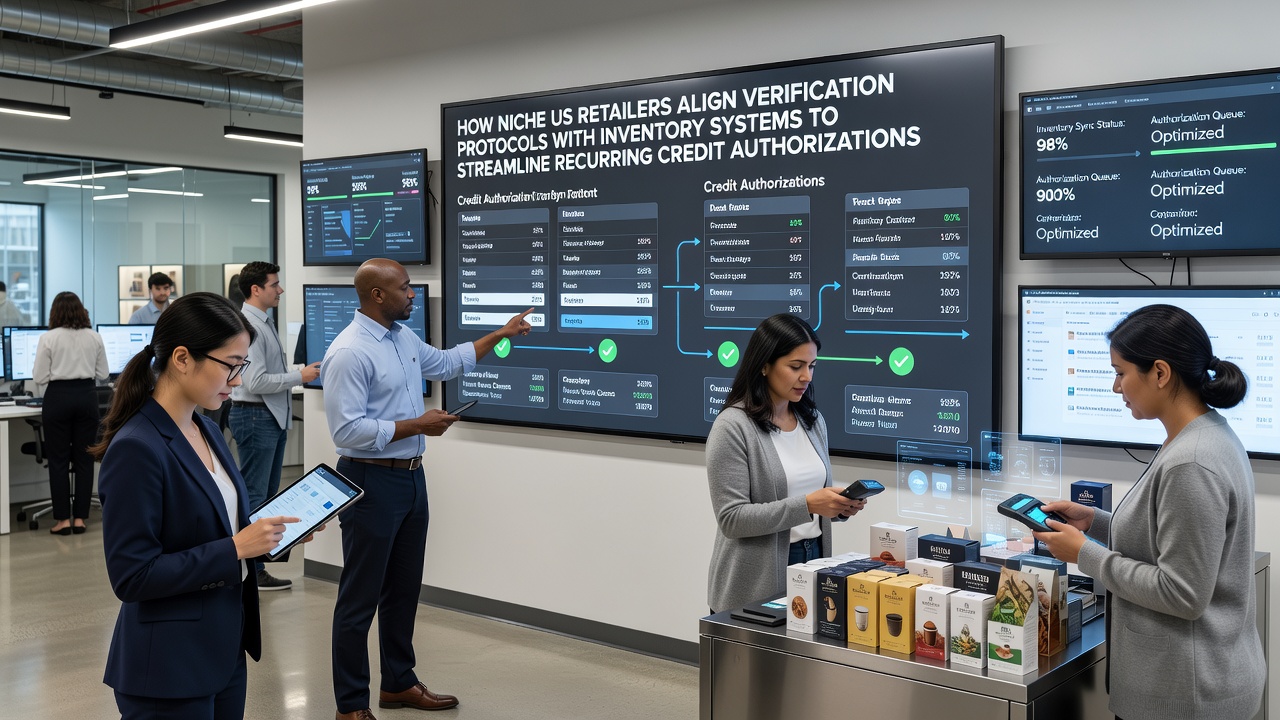 Niche US retailers often operate in specialized markets where recurring credit authorizations form the backbone of steady revenue, and they connect verification protocols directly to inventory systems so that payment checks occur only against confirmed stock availability. This alignment reduces failed transactions that stem from out-of-stock items while maintaining compliance with card network rules on authorization timing and amount accuracy. Data from industry reports shows that retailers using synchronized systems experience fewer authorization declines because inventory data feeds into the verification layer before each recurring charge cycle begins. Verification protocols typically include address verification service checks, card verification value validation, and account updater services that confirm card details remain current, yet these steps gain efficiency when tied to live inventory counts rather than processed in isolation.
Core Components of the Alignment Process
Retailers begin by mapping their inventory management platform to the payment gateway so that stock levels trigger or withhold authorization requests in real time, and this connection relies on application programming interfaces that exchange data between warehouse systems and payment processors. When inventory drops below a threshold for a subscription item, the system pauses the verification sequence and notifies the customer through automated channels, which prevents unnecessary credit holds that could affect customer accounts or trigger regulatory scrutiny under Federal Trade Commission guidelines for recurring billing practices.
Those who have examined these setups note that the process incorporates daily inventory reconciliation files uploaded to the payment platform, allowing verification protocols to reference accurate quantities before initiating recurring credit authorizations. This step matters because credit card networks require merchants to obtain proper authorization for the exact amount and item being billed, and mismatched inventory data can lead to partial shipments or backorders that complicate the authorization trail.
Technical Integration Methods
Many niche retailers deploy middleware solutions that translate inventory database fields into authorization request parameters, and these tools handle the conversion of stock status codes into flags that either permit or block the verification sequence. Real-time application programming interfaces pull inventory snapshots every few minutes during high-volume billing periods, which ensures that verification protocols reflect current warehouse conditions rather than outdated nightly reports.
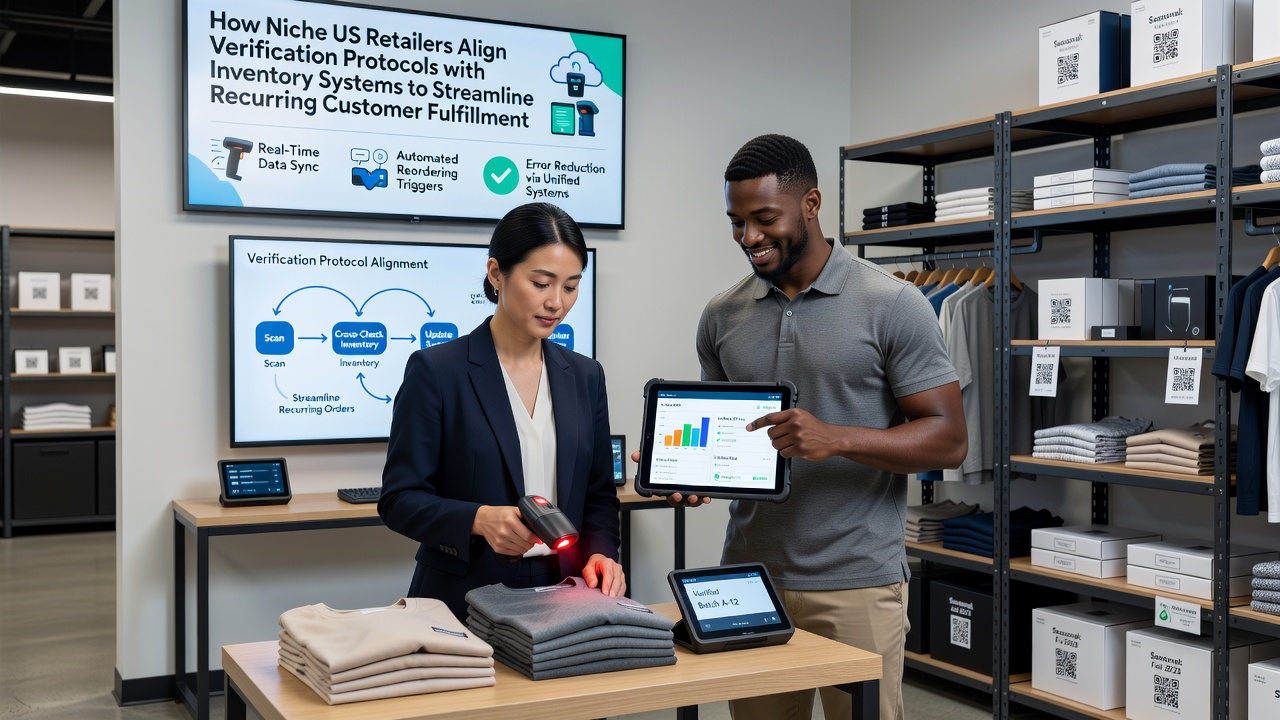
Observers note that some platforms incorporate predictive inventory modeling so the verification layer anticipates stock shortages days ahead of the next billing cycle, and this foresight allows retailers to adjust subscription quantities or offer alternatives before authorization attempts occur. The result appears in reduced chargeback rates tied to non-delivery disputes, because customers receive accurate availability information prior to recurring charges being verified and processed.
Regulatory and Operational Considerations in Mid-2026
By July 2026, updates to electronic payment rules emphasized tighter synchronization between merchant systems and card issuer expectations around recurring transaction transparency, and niche retailers responded by embedding inventory verification steps deeper into their authorization workflows. These changes align with broader shifts in how payment processors handle automated billing, where evidence of stock confirmation strengthens the merchant's position during any post-authorization reviews or disputes.
Retailers also reference academic studies on supply chain data flows when refining their protocols, because research from institutions such as those tracking North American retail logistics demonstrates clear correlations between inventory accuracy and authorization success rates. One such analysis indicated that retailers maintaining sub-five-percent inventory variance achieved verification completion rates above industry averages during recurring billing windows.
Practical Outcomes for Specialized Retail Segments
Specialty retailers dealing in items like custom nutrition supplements or seasonal hobby supplies often maintain smaller, more variable inventories, which makes the link between verification protocols and stock systems especially valuable. These businesses use the integrated approach to limit authorization attempts to confirmed available units, thereby avoiding excess credit reserves on customer cards that might otherwise occur during periods of supply fluctuation.
Examples from US-based subscription box operators show that after implementing these alignments, they recorded measurable drops in authorization reversals caused by inventory mismatches. The process further supports compliance with network rules requiring merchants to cancel or adjust authorizations promptly when goods cannot ship as originally verified.
Conclusion
Niche US retailers continue to refine how verification protocols interact with inventory systems to support efficient recurring credit authorizations, and the approach relies on precise data exchange, timely stock updates, and adherence to payment network requirements. This integration helps maintain transaction integrity while addressing the unique inventory challenges faced by specialized retail operations across the country.