Synchronizing Electronic Network Channels with Retail Systems to Facilitate Secure Repeat Deductions for Online Vendors
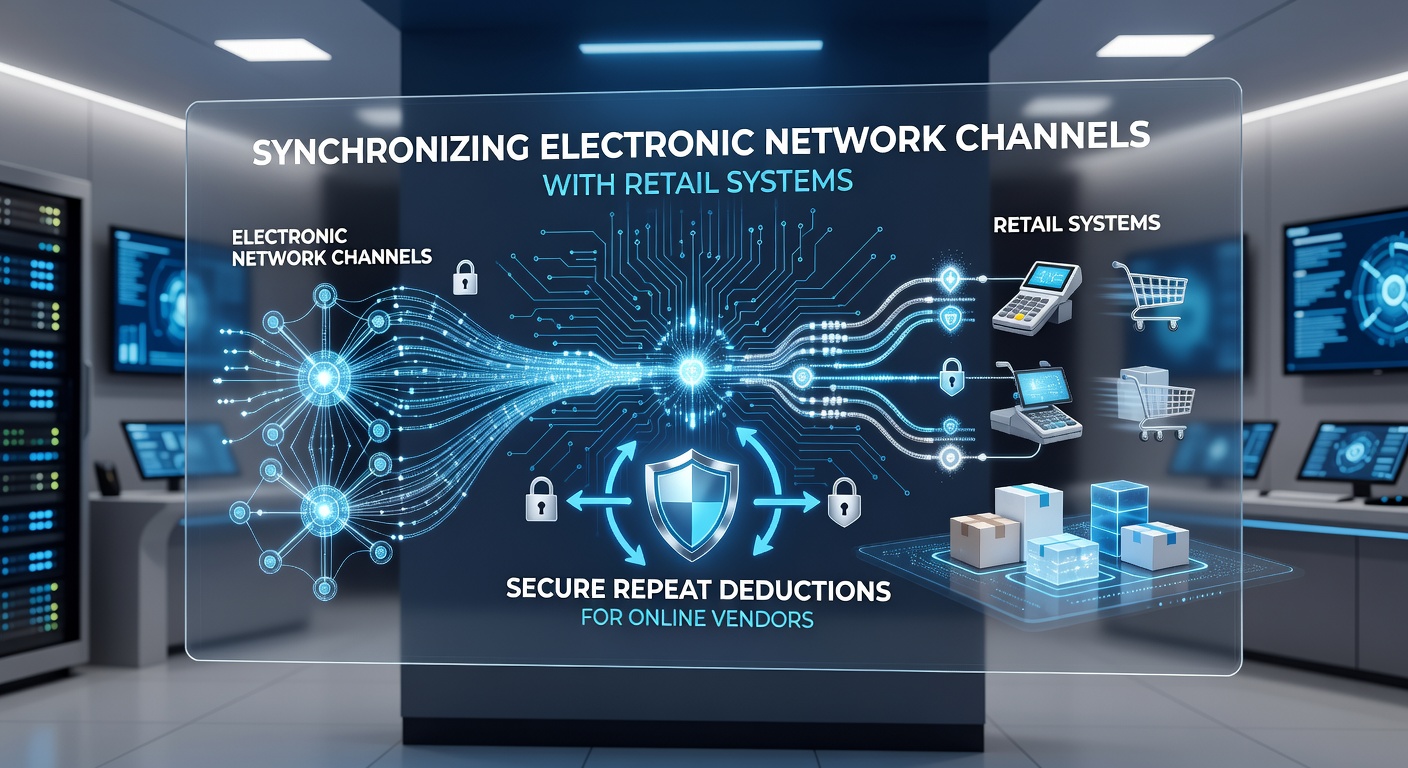 Retail systems now connect directly to electronic network channels through standardized APIs and middleware layers that handle recurring payment instructions, and this setup allows online vendors to process repeat deductions without manual intervention each cycle. Data from industry reports shows that synchronization reduces processing delays by aligning inventory updates with payment confirmations in real time, while security protocols like encryption and access controls protect transaction details across both environments.
Core Components of Network and System Alignment
Electronic networks such as ACH and wire transfer rails exchange data with point-of-sale and e-commerce platforms via secure gateways that validate authorization tokens before any deduction occurs. Retail systems maintain customer profiles that include billing frequencies and amounts, and these profiles sync with network endpoints through scheduled batch processes or event-driven triggers that activate when inventory thresholds are met. According to Federal Reserve analyses on payment infrastructure, such alignments have supported growth in automated retail transactions since the early 2020s, with volumes increasing steadily as vendors adopt unified protocols.
Security measures include end-to-end encryption during data handoffs and real-time monitoring for anomalies that might indicate unauthorized access attempts. Retail platforms often embed fraud detection modules that cross-reference transaction patterns against historical records stored in both the network and local databases, which helps flag irregularities before deductions finalize.
Operational Workflows in Practice
Vendors initiate the process by configuring subscription rules within their retail management software, after which the system transmits encrypted requests to the electronic network for scheduling. The network then routes these requests through verification layers that confirm account validity and available funds, returning status updates that trigger inventory adjustments or customer notifications on the retail side. One study from European payment research groups revealed that integrated workflows cut reconciliation errors by coordinating timestamps across channels, allowing vendors to track each deduction from initiation through settlement without separate manual audits.

Case examples from mid-sized e-commerce operations illustrate how synchronization handles peak periods, such as monthly billing cycles for subscription services. Retail systems queue deductions in advance, and the network processes them in coordinated batches that respect compliance rules like those outlined in data protection frameworks from Canadian regulatory bodies. This approach keeps transaction logs synchronized, so discrepancies surface quickly through automated alerts rather than end-of-month reviews.
Developments Around May 2026
Updates scheduled for May 2026 involve enhanced interoperability standards that require retail systems to adopt newer API versions for direct network access, which aims to strengthen authentication during repeat deductions. Reports from the Bank of Canada indicate these changes build on existing infrastructure to support higher volumes while maintaining audit trails that link each deduction back to original customer consents. Vendors who prepare their systems ahead of this timeline can maintain continuous operations without service interruptions, as the alignments incorporate backward compatibility for legacy setups.
Security enhancements in these updates focus on multi-factor verification at the network level, integrated with retail-side behavioral analytics that monitor user sessions for unusual activity patterns. Observers note that such layered protections address evolving threats by requiring synchronized responses from both retail databases and electronic channels during each transaction attempt.
Challenges and Mitigation Strategies
Latency issues arise when network channels experience high traffic, yet retail systems mitigate this through predictive queuing that anticipates demand based on historical cycles. Data mismatches between systems get resolved via reconciliation engines that compare records at set intervals, flagging only unresolved items for manual review. Industry organizations tracking payment technologies have documented how these strategies maintain accuracy rates above 99 percent in synchronized environments, based on aggregated transaction datasets from multiple regions.
Scalability concerns for growing vendors get addressed by modular architectures that expand network connections without overhauling entire retail platforms. Research papers from Australian academic institutions on digital payment ecosystems highlight successful implementations where vendors phased in additional channels over time, preserving security protocols throughout the expansion.
Conclusion
Synchronization between electronic network channels and retail systems continues to evolve through standardized protocols and scheduled enhancements, supporting secure repeat deductions that align with vendor operational needs. Figures from regulatory analyses across different jurisdictions demonstrate consistent improvements in processing reliability when these elements work in concert, while ongoing developments ensure adaptability to future volume increases and compliance requirements.