The Interplay Between Transaction Verification Tools and Banking Networks in Facilitating Safe Recurring Payments for Domestic Digital Merchants
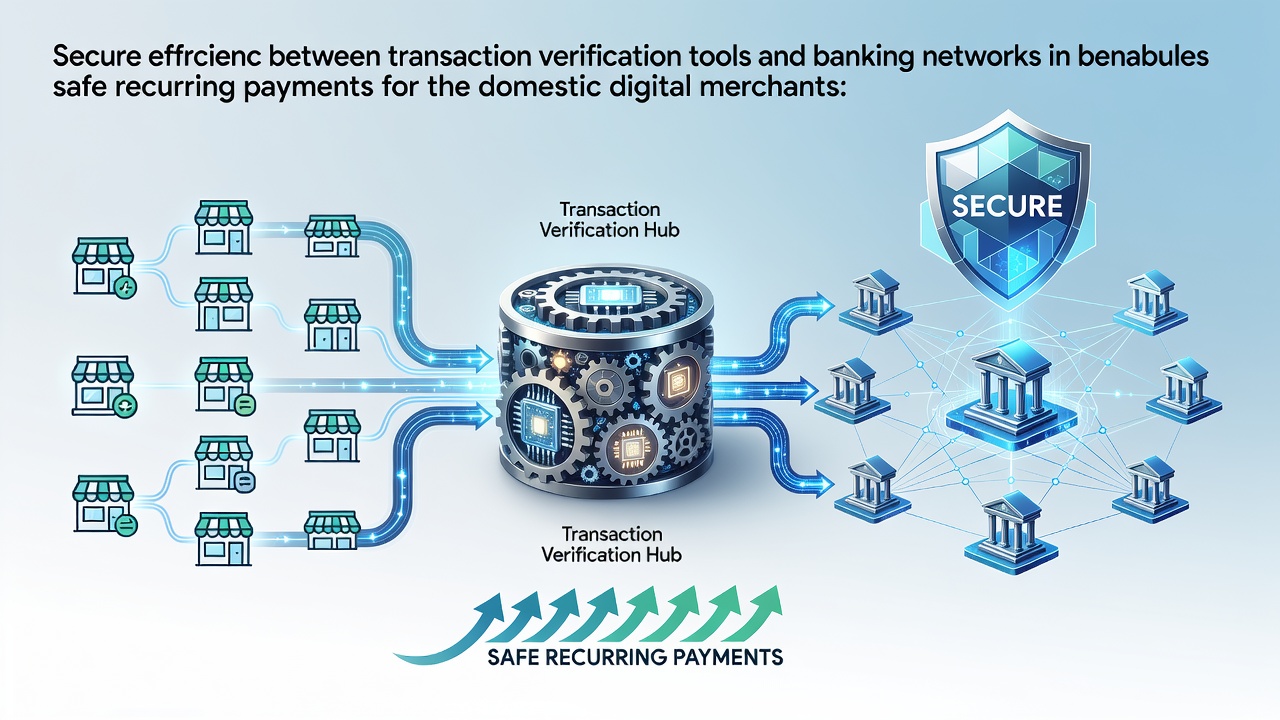
Domestic digital merchants rely on layered transaction verification tools that coordinate directly with banking networks to process recurring payments without exposing accounts to unauthorized activity. These tools examine account details, authorization codes, and historical patterns before any funds move through established clearing systems such as the Automated Clearing House operated under NACHA operating rules.
Verification begins at the point of authorization when a merchant submits recurring billing data to its processor. Banking networks then apply additional checks that confirm the legitimacy of the originating account and the destination account. This sequence reduces the chance that a repeated charge will trigger a return code or compliance flag later in the settlement cycle.
Core Verification Mechanisms in Banking Channels
Account validation services supplied by banks cross-reference routing numbers and account numbers against internal databases before the first recurring transaction clears. Subsequent payments reuse stored tokens or reference identifiers that the network associates with previously verified accounts. When a merchant updates billing information, the network reinitiates validation rather than assuming prior clearance remains valid.
Positive confirmation protocols require merchants to receive acknowledgment from the receiving bank that the account remains open and eligible for debits. Data from the Federal Reserve Bank of New York shows that networks using real-time account status queries experience fewer failed recurring entries than those relying solely on initial setup verification. These queries occur at intervals chosen by the merchant’s processor and the bank’s risk parameters.
Integration Points Between Verification Layers and Settlement Systems
Verification data travels alongside payment instructions through the same secure channels that banks use for batch settlement. Message formats defined by ISO 20022 carry both the authorization payload and verification flags so that downstream systems can apply rules without separate lookups. Merchants that format recurring requests according to these standards encounter fewer rejections when their files reach the banking network’s intake points.
Observers note that July 2026 marks the scheduled expansion of enhanced data fields in ACH files, allowing merchants to include verification timestamps and reference identifiers directly in each submission. Processors that adopt the updated format early report smoother coordination with receiving banks that already support the new fields.
Role of Risk Scoring Within Network Infrastructure
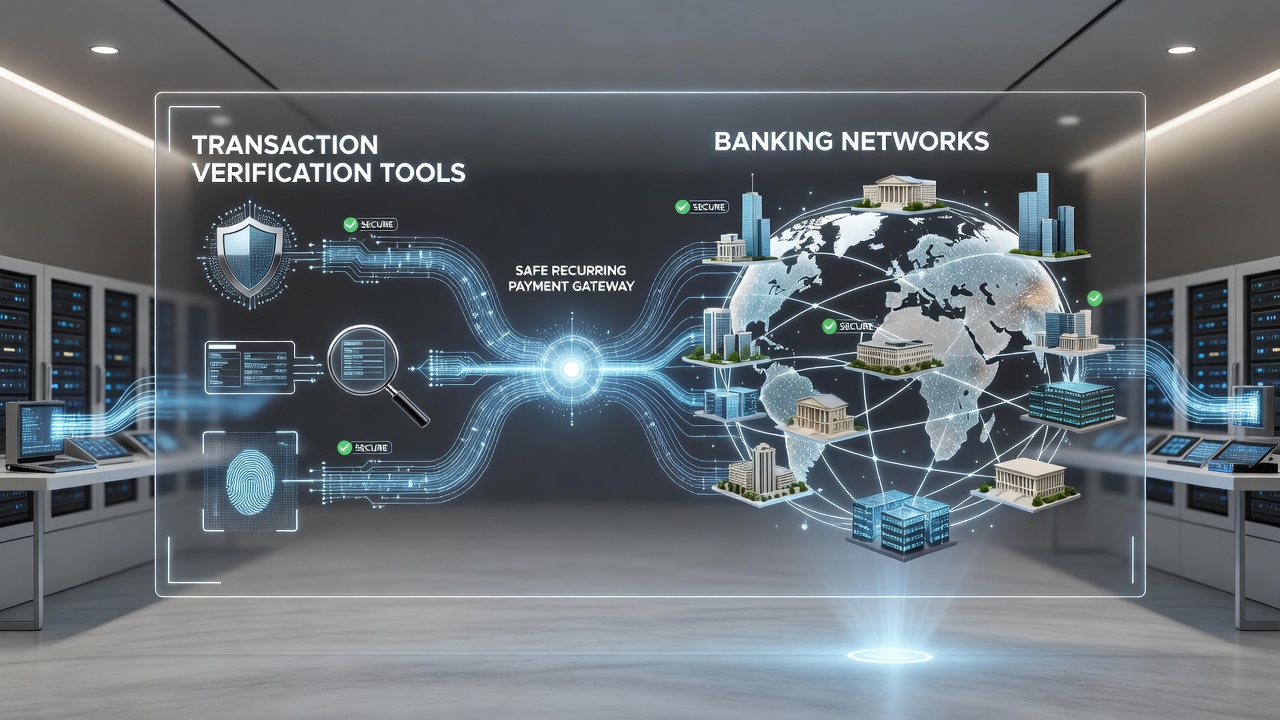
Banking networks apply risk scores derived from device data, velocity checks, and historical return rates before releasing funds for recurring debits. Scores generated at the verification stage influence whether a transaction proceeds through standard clearing or routes to manual review. Merchants receive standardized reason codes when scores fall below thresholds, enabling them to adjust customer records without direct access to the network’s internal models.
Studies published by the Bank for International Settlements indicate that networks sharing anonymized risk indicators across participating banks achieve higher detection rates for anomalous recurring patterns. Domestic merchants benefit because the shared data pool incorporates activity from multiple institutions rather than isolated merchant accounts.
Operational Workflows for Merchants and Banks
Merchants initiate recurring setups by transmitting customer authorization records that include verified bank account details. The processor forwards these records to the originating bank, which performs a prenotification or micro-deposit verification depending on the network’s requirements. Once confirmed, the authorization record remains on file and supports future debits until the merchant or customer revokes it.
Banks monitor ongoing activity through exception reports that flag deviations in amount, frequency, or timing. When such deviations occur, the network may require fresh verification before releasing the next payment. This feedback loop keeps verification tools synchronized with actual banking activity rather than relying on static initial checks.
Conclusion
Transaction verification tools and banking networks operate as interconnected systems that exchange data at multiple stages of the recurring payment lifecycle. Domestic digital merchants gain predictable settlement when these systems align on authorization formats, risk signals, and status updates. Continued adoption of standardized messaging and shared verification protocols supports consistent handling of repeat transactions across the domestic banking infrastructure.