Tracing the Flow From Bank Accounts to Checkout Carts: Building Fraud-Proof Subscription Cycles for US Merchants
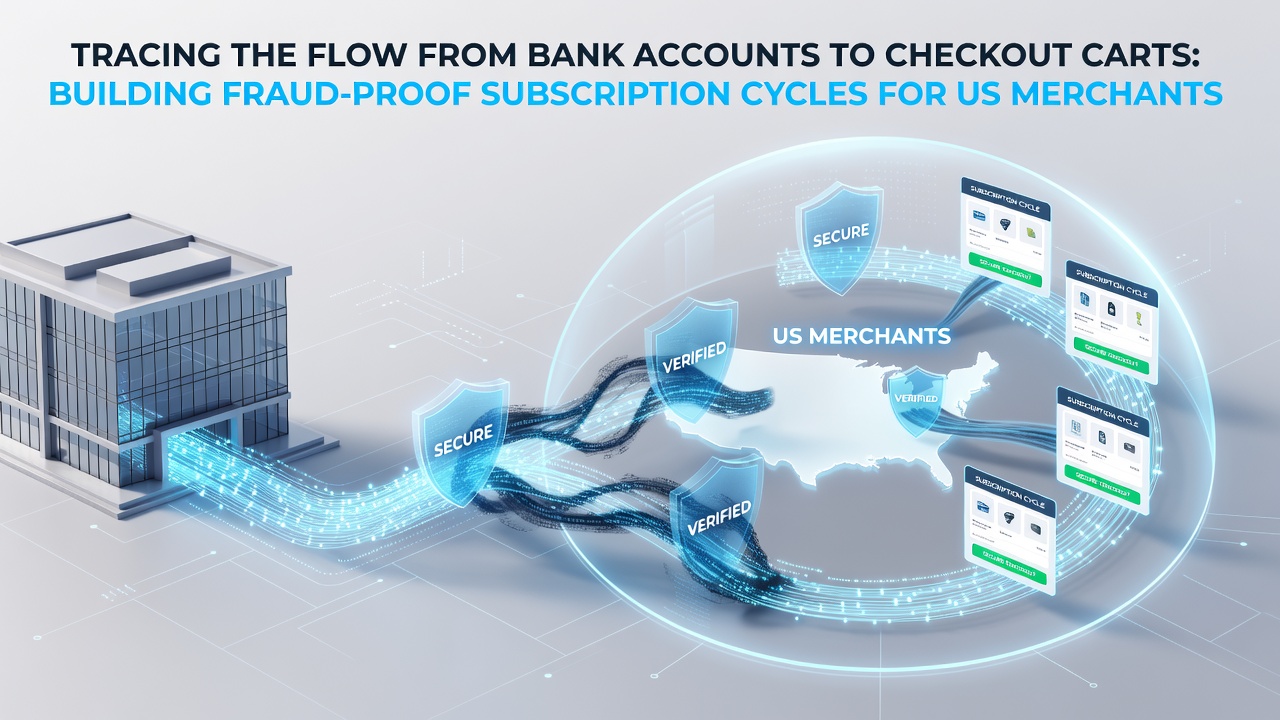
US merchants handling subscriptions must map every step that moves funds and data from customer bank accounts into checkout systems while embedding controls that block fraudulent patterns before they reach recurring charges. This tracing process starts at the initial account linkage and continues through authorization, settlement, and ongoing billing cycles, with each segment designed to maintain compliance and reduce exposure.
Mapping the Initial Connection Points
Customers initiate the flow by entering bank details at the digital storefront, after which verification protocols confirm account ownership and available funds before any subscription agreement activates. Data travels from the merchant platform to the payment processor, where routing numbers and account identifiers undergo checks against known fraud databases, and successful matches allow the cycle to proceed into tokenized storage for future use.
Processors then relay confirmation back to the checkout cart, completing the first loop without storing sensitive information locally on merchant servers. This setup aligns with standards maintained by the Federal Reserve's payment system guidelines, which emphasize secure data transmission across networks serving automated retail billing.
Embedding Controls Within Recurring Deduction Sequences
Once the subscription activates, the system schedules deductions at defined intervals, pulling from the original bank account through established channels that re-verify credentials each time to catch changes such as closed accounts or altered ownership. Fraud detection layers analyze transaction velocity, geographic mismatches, and historical patterns, flagging anomalies before funds leave the customer's bank.
Merchants integrate these layers directly into their billing engines so that any deviation triggers manual review or automated holds, preserving the integrity of the entire cycle. Observers note that platforms coordinating these steps see fewer chargebacks because verification occurs at multiple points rather than only at signup.
Technology Layers That Strengthen the Pathway
Secure sockets and encrypted tunnels protect data in transit from bank feeds to cart interfaces, while application programming interfaces handle real-time queries that confirm account status before each scheduled charge. These interfaces connect merchant systems to banking networks through accredited processors, creating an unbroken chain where each hop includes logging for audit purposes.
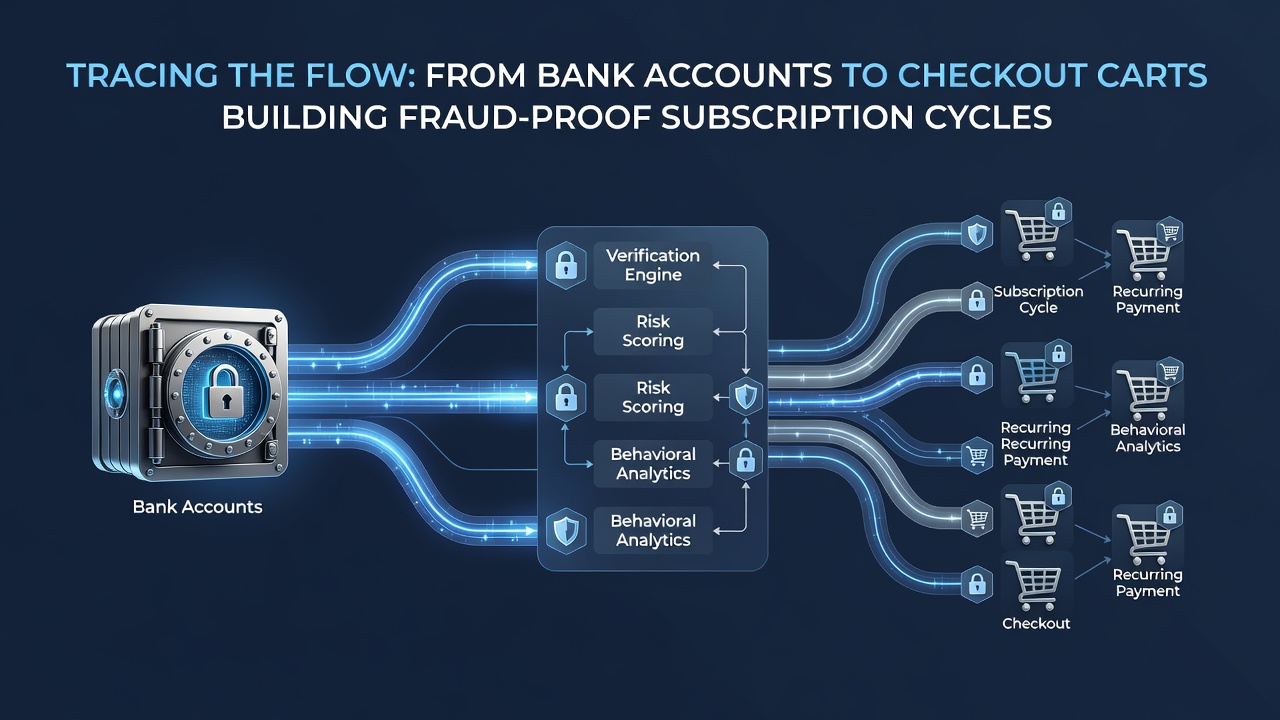
Additional safeguards include velocity limits that cap the number of attempts within a window and behavioral analytics that compare current activity against established customer baselines. When combined, these elements create subscription cycles resistant to common attack vectors such as stolen credentials or automated scripting.
Regulatory Alignment in Automated Billing Operations
US operators must follow rules set by bodies including the Consumer Financial Protection Bureau, which outlines requirements for recurring electronic transfers and consumer notifications. Compliance involves clear disclosure of billing dates and amounts at the point of cart checkout, along with easy mechanisms for customers to update or cancel linked bank accounts.
As of June 2026, updated reporting thresholds from the same agency require merchants above certain volume levels to submit aggregated data on failed verification attempts, providing regulators with broader visibility into fraud trends across subscription platforms. This reporting integrates into existing cycle management tools without disrupting the flow from account to cart.
Practical Examples From US Retail Operations
One subscription service provider implemented sequential verification steps that cross-reference bank responses with external identity signals, resulting in documented reductions in unauthorized recurring charges according to internal metrics shared with industry groups. Another merchant adjusted its checkout sequence to require micro-deposit confirmation for all new bank linkages, which filtered out synthetic identities before they entered active billing cycles.
These approaches demonstrate how tracing each segment of the payment path allows operators to insert targeted interventions that protect revenue streams while meeting operational demands of high-volume recurring models.
Conclusion
Effective fraud prevention in US subscription commerce depends on continuous mapping of data and funds from bank accounts through checkout carts and into automated cycles. When verification, encryption, and regulatory checks operate as coordinated stages rather than isolated steps, merchants maintain secure pathways that support reliable revenue collection. The practices outlined here reflect current standards and emerging reporting expectations that shape how platforms handle recurring payments through 2026 and beyond.