Unlocking Efficient Recurring Revenue Through Integrated Banking Solutions in American Online Stores
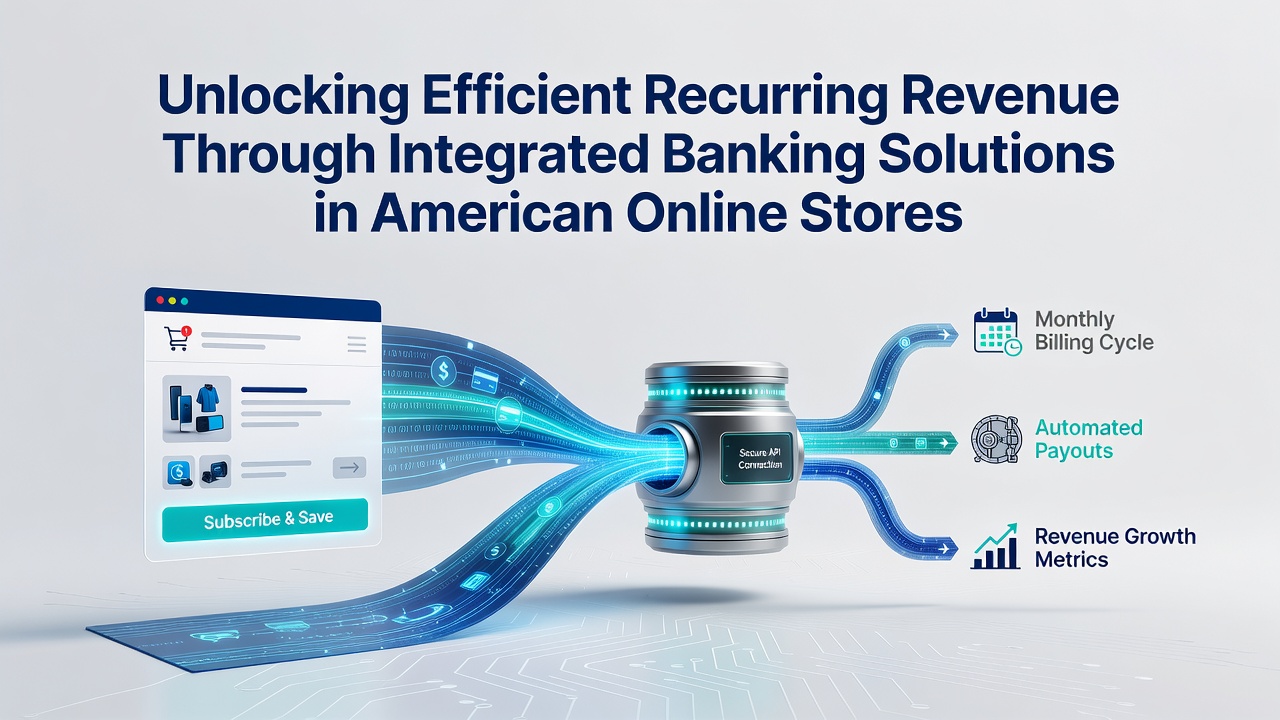
American online stores continue to shift toward banking integrations that streamline recurring revenue collection, and these setups connect directly to automated clearing house networks along with core banking platforms. Data from payment processors shows that businesses adopting such systems report faster settlement times and lower per-transaction costs compared with traditional card-based subscriptions, while the approach supports higher volumes without additional processing layers.
Integrated solutions allow merchants to pull funds straight from customer bank accounts through APIs that sync with store checkout systems, and this method bypasses some intermediary steps common in credit card routing. Observers note that US retailers handling subscriptions for software, memberships, and consumables have increased their use of these channels since 2024, with transaction volumes rising steadily through the first half of 2026.
Core Components of Banking Integration for Recurring Payments
Modern setups combine merchant accounts with direct bank feeds and standardized ACH protocols, so authorization occurs once while subsequent charges process on schedule without repeated customer input. Retail platforms that embed these tools see automated retries for failed deductions handled at the banking level, which reduces manual follow-up and maintains cash flow consistency across billing cycles.
Experts point out that API connections between e-commerce software and financial institutions enable real-time balance verification before each scheduled deduction, and this step limits processing errors that previously disrupted revenue streams. In June 2026 several major US banks expanded their developer portals to include enhanced recurring payment endpoints, allowing stores to embed verification routines directly into their backend systems.
Operational Advantages for Subscription-Based Retail
Cost structures shift when stores route recurring charges through integrated banking channels rather than card networks, since ACH fees typically range lower per transaction and avoid interchange percentages that accumulate over thousands of monthly billings. Figures from industry reports indicate average savings of 60 to 80 percent on processing expenses for high-volume subscription models once integrations reach full deployment.
Those who manage digital storefronts also observe improved predictability in revenue timing, because banking solutions settle batches on fixed schedules and provide detailed reporting that aligns with accounting software. This alignment helps operators forecast cash positions more accurately and allocate resources without waiting for variable card settlement windows.
Implementation Patterns Across Different Store Types
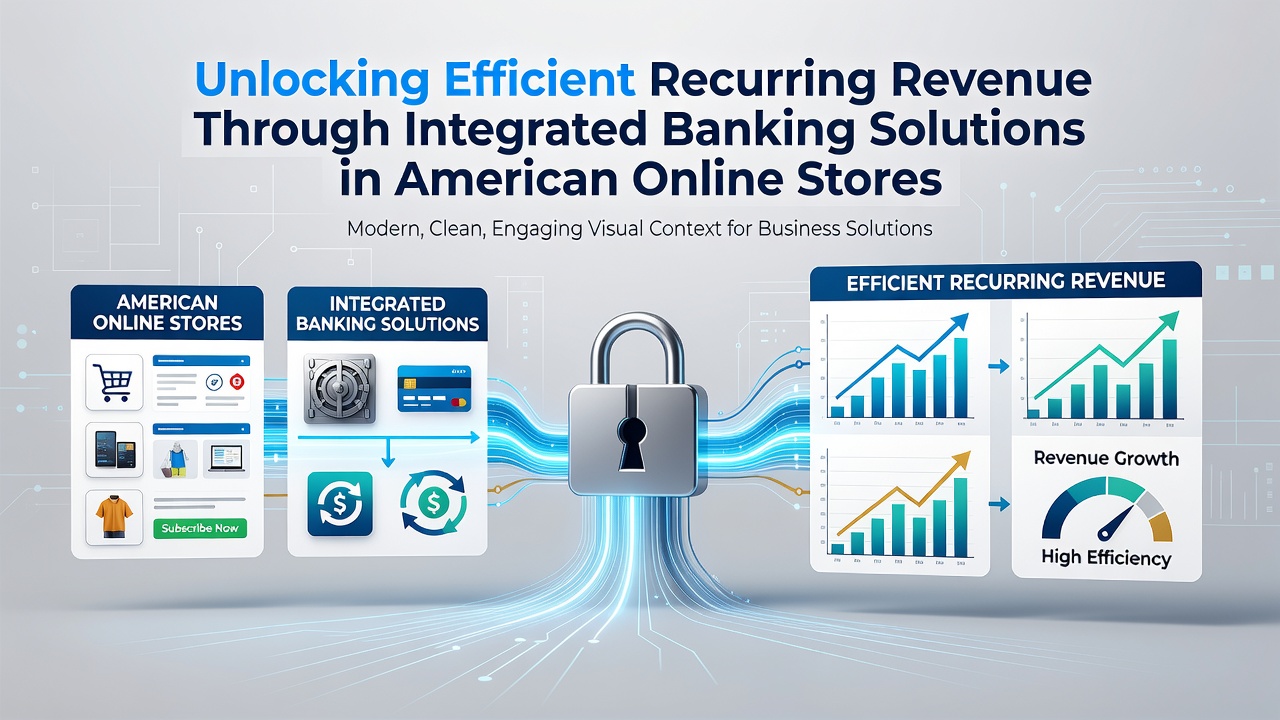
Smaller retailers often begin with plug-in modules that link existing shopping carts to bank APIs, and these modules handle customer authorization screens plus recurring schedule management in one interface. Larger platforms meanwhile build custom connectors that pull data from multiple banking partners, which supports complex subscription tiers and regional account variations across the United States.
One documented rollout involved a mid-sized consumables seller that synchronized its platform with three regional banks, resulting in a 35 percent drop in failed recurring charges within the first quarter after launch. The integration allowed the system to route attempts through alternate bank endpoints when primary channels flagged temporary holds, maintaining continuity without customer re-entry.
Regulatory Context and Compliance Requirements
US operators must follow NACHA operating rules that govern ACH origination for recurring debits, and these rules require clear authorization language plus revocation options for customers. Federal Reserve guidelines outline additional consumer protections that apply when stores initiate automated deductions, including notice periods before the first charge adn error resolution procedures.
Research from academic sources outside the US, such as a 2025 study by the University of Toronto's Rotman School of Management, compared North American banking integration models and found that standardized API frameworks reduced setup times for new merchants by nearly half. Stores that align with these frameworks also meet evolving state-level data security expectations more readily because verification occurs through regulated banking channels rather than third-party token stores.
Future Developments Expected Through 2026 and Beyond
Continued expansion of open banking standards in the United States is projected to add more direct integration options, and several fintech providers have announced plans to release enhanced recurring payment toolkits by late 2026. These updates aim to incorporate instant verification across additional account types while preserving existing authorization flows.
Retailers tracking these changes report that early adoption of updated banking connections positions them to handle increased subscription volumes without proportional rises in operational overhead. Data indicates that stores maintaining active integrations with at least two banking partners experience fewer disruptions during peak billing periods compared with single-channel setups.
Conclusion
Integrated banking solutions provide American online stores with structured pathways to manage recurring revenue through direct ACH connections and API-driven automation. Adoption patterns show measurable gains in cost efficiency and settlement reliability, while regulatory alignment ensures consumer safeguards remain in place. As banking endpoints continue to expand through 2026, retailers gain additional tools to scale subscription operations while keeping processing streamlined and compliant.