US Online Payment Processing: Systems, Networks, and Regulatory Structures
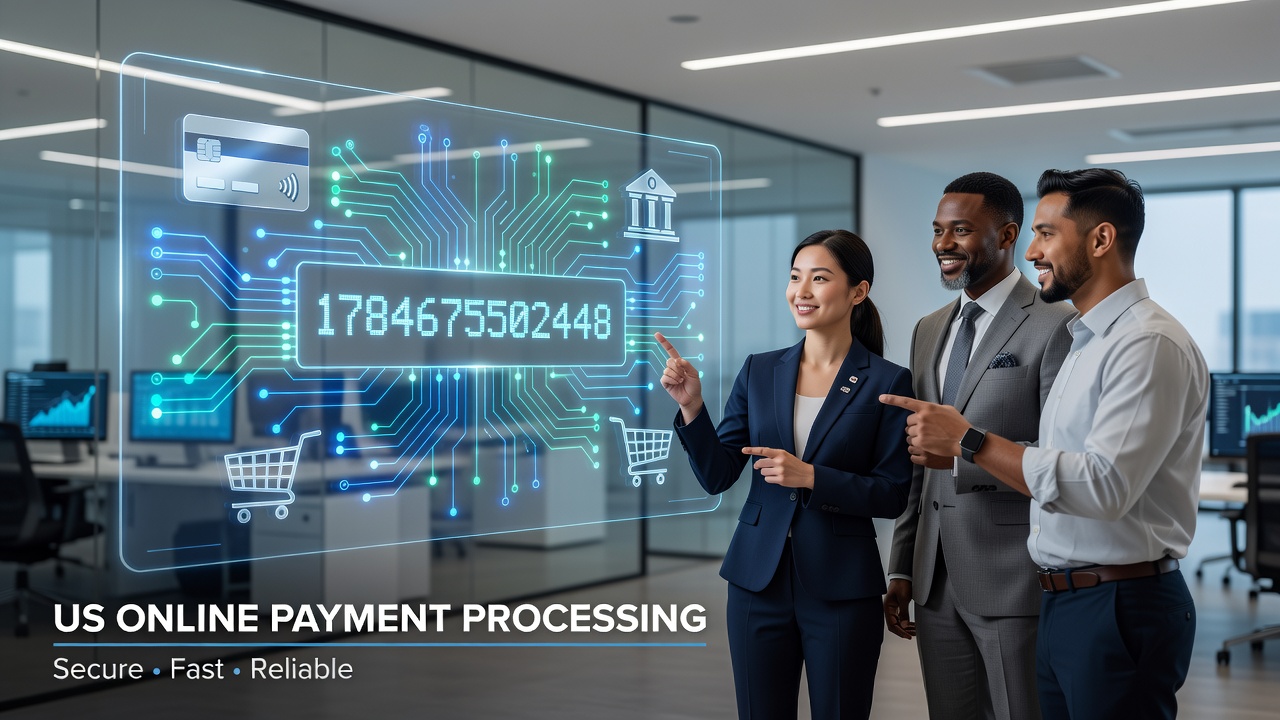 Data indicates that US online payment processing handles trillions of dollars in transactions each year through interconnected networks that link consumers, merchants, financial institutions, and technology providers, while observers note steady expansion in both volume and variety of methods available to businesses operating across digital channels.
Core Components of Transaction Flows
Payment processors serve as intermediaries that authorize, clear, and settle electronic transfers initiated through websites and applications, and these entities coordinate with issuing banks that manage consumer accounts along with acquiring banks that maintain merchant relationships. Research from the Federal Reserve shows that card-based transactions continue to represent the largest share of online activity, although alternative methods such as digital wallets and bank transfers have gained measurable traction in recent periods.
Gateways provide the technical connections that encrypt and transmit data between merchant platforms and processor systems, whereas settlement occurs through established clearing houses that finalize fund movements typically within one to three business days for standard card operations. Those who manage high-volume retail operations often integrate multiple processor options to accommodate different card networks and regional preferences without disrupting checkout sequences.
Regulatory Environment and Compliance Requirements
Federal and state rules shape how online payments are conducted, with the Consumer Financial Protection Bureau overseeing aspects of consumer protection and the Federal Trade Commission addressing deceptive practices in digital commerce. Payment Card Industry Data Security Standards apply to any organization that stores, processes, or transmits cardholder information, and compliance involves regular audits along with technical safeguards that reduce exposure to data breaches.
In July 2026, updates to certain reporting thresholds for large-scale processors took effect, requiring enhanced disclosure of transaction patterns to support oversight efforts by regulatory bodies. Observers note that these adjustments align with broader efforts to monitor systemic risks in electronic payment ecosystems while maintaining operational efficiency for participating institutions.
Emerging Methods and Infrastructure Developments
Real-time payment rails such as the Federal Reserve's FedNow service enable instant transfers between participating banks, and adoption among online merchants has increased as platforms seek to reduce delays associated with traditional batch processing. Data from industry reports reveals that businesses using instant settlement options report improved cash flow management, particularly in sectors where immediate fund availability supports inventory replenishment or vendor payments.
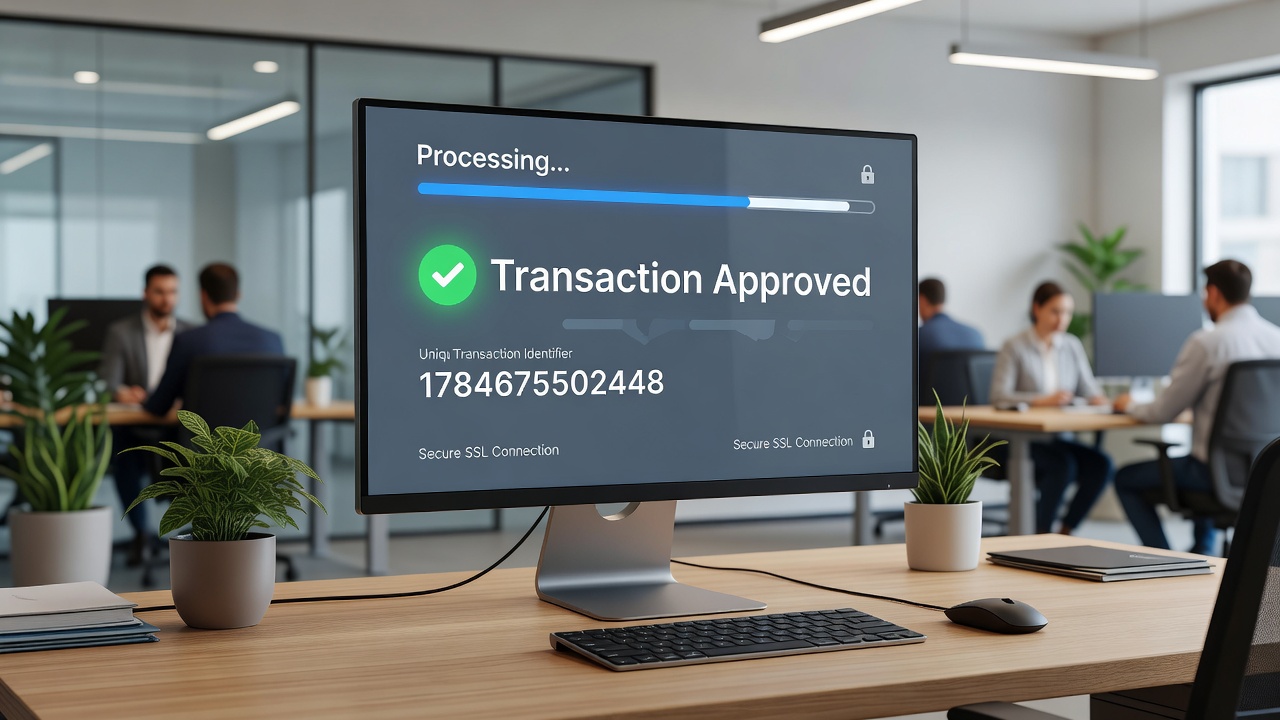
According to figures released by the Federal Reserve Bank of New York, the share of online transactions completed through instant methods rose noticeably between 2024 and 2026, reflecting infrastructure investments by both banks and payment service providers. Those who study these shifts point to improved fraud detection tools that operate alongside faster settlement timelines, allowing verification steps to occur without extending overall processing durations.
Market Participants and Service Models
Large processors operate at national scale and handle diverse transaction types for retailers of varying sizes, while specialized providers focus on particular industries or payment types such as recurring billing or cross-border transfers. Academic studies from institutions including the Massachusetts Institute of Technology have examined how processor selection influences merchant costs and customer conversion rates, with findings indicating that streamlined authorization paths correlate with higher completion percentages.
Third-party services often bundle gateway functions with reporting dashboards and customer support, and many merchants combine these offerings with direct bank relationships to optimize fees across different transaction categories. What's interesting is how smaller retailers leverage aggregated platforms that negotiate volume-based rates on their behalf, thereby accessing pricing structures previously available only to larger operations.
Security Protocols and Risk Management
Encryption standards protect data in transit and at rest, while tokenization replaces sensitive account details with unique identifiers that limit the value of intercepted information. Multi-factor authentication requirements have become standard at the consumer level, and device fingerprinting techniques help processors identify unusual activity patterns before authorization completes.
Research indicates that layered verification approaches reduce successful fraudulent attempts across online channels, although the specific combination of controls varies depending on transaction size and merchant risk profile. Organizations that maintain regular security assessments align with evolving threat landscapes and regulatory expectations simultaneously.
Conclusion
US online payment processing continues to evolve through technological integration and regulatory refinement, with networks adapting to support greater transaction volumes and new settlement options. Data shows sustained growth in digital commerce activity supported by infrastructure that balances speed, security, and compliance across participating entities, and those tracking these developments expect further refinements in real-time capabilities and verification methods to shape future operational standards.